

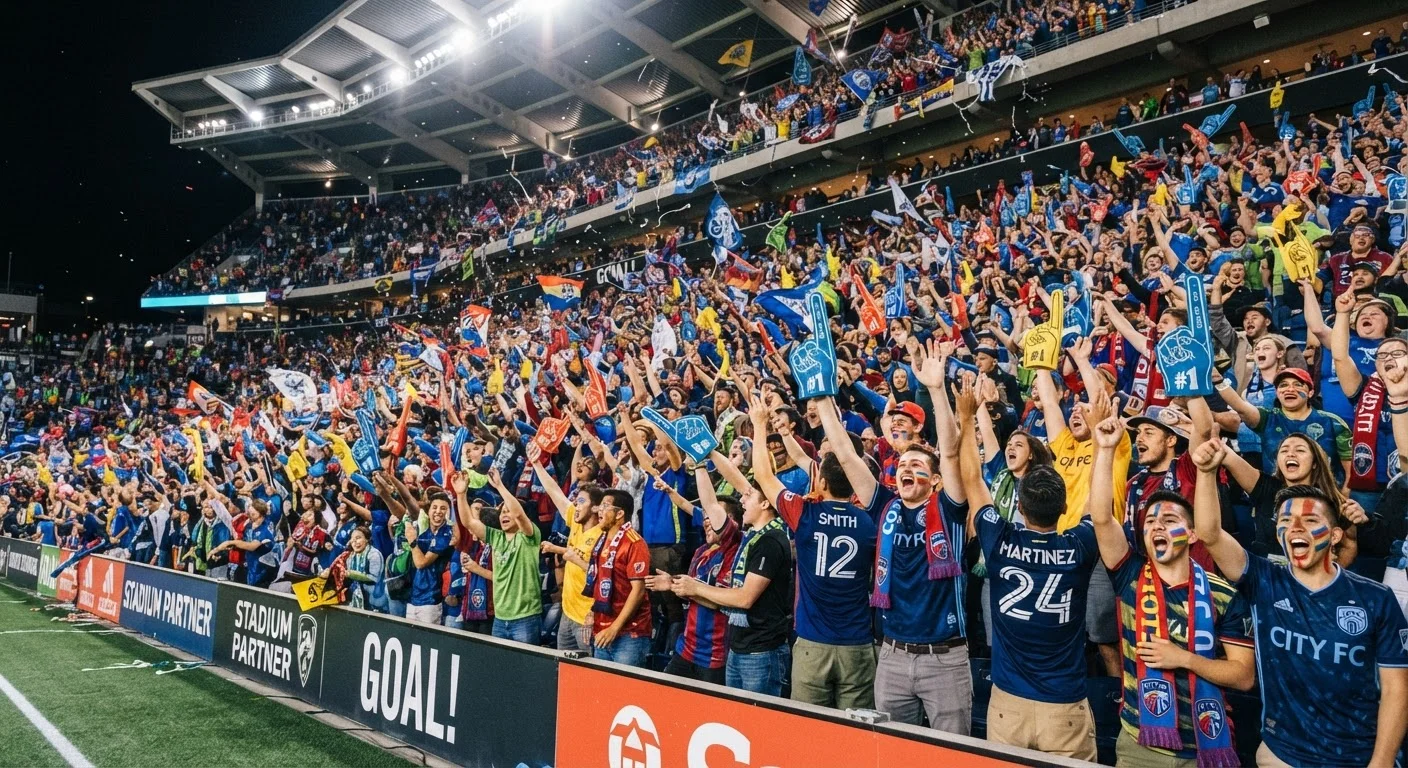
The Gear That Turns Strangers Into a Crowd
Walk into any American sports venue on game day and you'll see it instantly: thousands of individuals transformed into a single, color-coded unit. Team jerseys, painted cheeks, and oversized foam hands aren't just costume choices - they're a visual vocabulary of loyalty, identity, and belonging. Game day gear signals which tribe you belong to the moment you walk through the gate.
This tradition is older than many fans realize. Baseball's earliest bleacher crowds wore team colors in the late 1800s, and college football's student sections were pioneering chants and coordinated dress decades before the modern NFL existed. What's changed is the variety, the craftsmanship, and the cultural weight each item now carries. Whether you're a seasoned season-ticket holder or heading to your first live event, understanding what the gear means deepens the whole experience. See our guide for first-time attendees for everything else you need to know before kickoff.
A Breakdown of the Classic Items
The Jersey
The replica jersey is the cornerstone of fan gear. Worn to declare a favorite player or simply to rep the team, a jersey communicates fandom at a glance. In the NFL and NBA, player jerseys carry a particularly personal weight - wearing a retired legend's number is a tribute; switching to a newly signed star's jersey signals optimism. Wearing a jersey of someone who was later traded or became controversial can spark genuine debate in the stands, which says a lot about how emotionally loaded these garments become.
Face Paint
Face paint takes commitment. It's messy, time-consuming, and will absolutely survive the first quarter before migrating somewhere unexpected. That's also exactly the point. Fans who paint their faces in team colors - or go full-body in some college environments - signal a willingness to go beyond passive spectatorship. It's theatrical, communal, and traces its roots to the student-section traditions of college sports, where school spirit has always been performed as much as felt.
The Foam Finger
Arguably the most cheerfully absurd item in the fan toolkit, the giant foam finger - almost always declaring "We're #1" - became a stadium staple in the 1970s. Glendon Howard, a teacher and novelty entrepreneur, is widely credited with commercializing the design in the early 1970s after crafting a version for a college basketball game. Today it remains a symbol of uncomplicated, exuberant fandom: pure enthusiasm, no footnotes.
Hats, Scarves, and Capes
Beyond the big three, fans layer in personalization. Fitted caps and snapbacks are everyday extensions of fandom; knit scarves imported from European soccer culture have found a home in MLS and even some hockey crowds; and elaborate themed capes or painted overalls mark the true "superfans" - the ones who show up in the same costume for decades and become local legends themselves. Those dedicated superfans are often central to how fandom shapes a city's identity.
How Different Sports Cultures Dress the Part
Not all sports fan cultures dress the same way, and those differences reveal a lot about each sport's personality. NFL fans skew toward jerseys and team-colored apparel, with face paint reserved for playoff intensity or particularly passionate fanbases like the Raiders' "Black Hole" section or the Bills' "Mafia." NBA arenas lean heavily into player-specific gear - a star's jersey drives merchandise sales in ways a team logo cap simply cannot.
College football's student sections are arguably the most theatrical in American sports. Coordinated "blackout" or "whiteout" games - where entire stadiums dress in a single color - create visual spectacles that routinely go viral. Penn State's Whiteout and Tennessee's orange-saturated home games are benchmark examples of how coordinated gear becomes a genuine home-field advantage. Research into crowd noise and player performance suggests this kind of unified visual intensity isn't just for show - explore how crowd rituals can actually affect games for more on that.
Hockey culture layers in its own gear traditions, from team-branded playoff beards (mirroring the players themselves) to the rally towels waved in arenas during postseason runs. The traditions that define the NHL season extend well beyond the ice and into the stands. Soccer-specific MLS fans, meanwhile, have embraced supporter-culture elements from global football: scarves held aloft before kickoff, tifo displays (large coordinated banners), and chant-leading supporters' sections that operate almost independently from the general crowd.
Whatever the sport, game day gear serves the same fundamental purpose: it turns attending a game into participating in something larger than yourself. Even watching from home, slipping on a jersey before kickoff is a small ritual that connects the living room to the stadium. If you want to build those habits into something that lasts, creating a game day tradition at home is a great place to start.