

Key Takeaways
Quiet Luxury
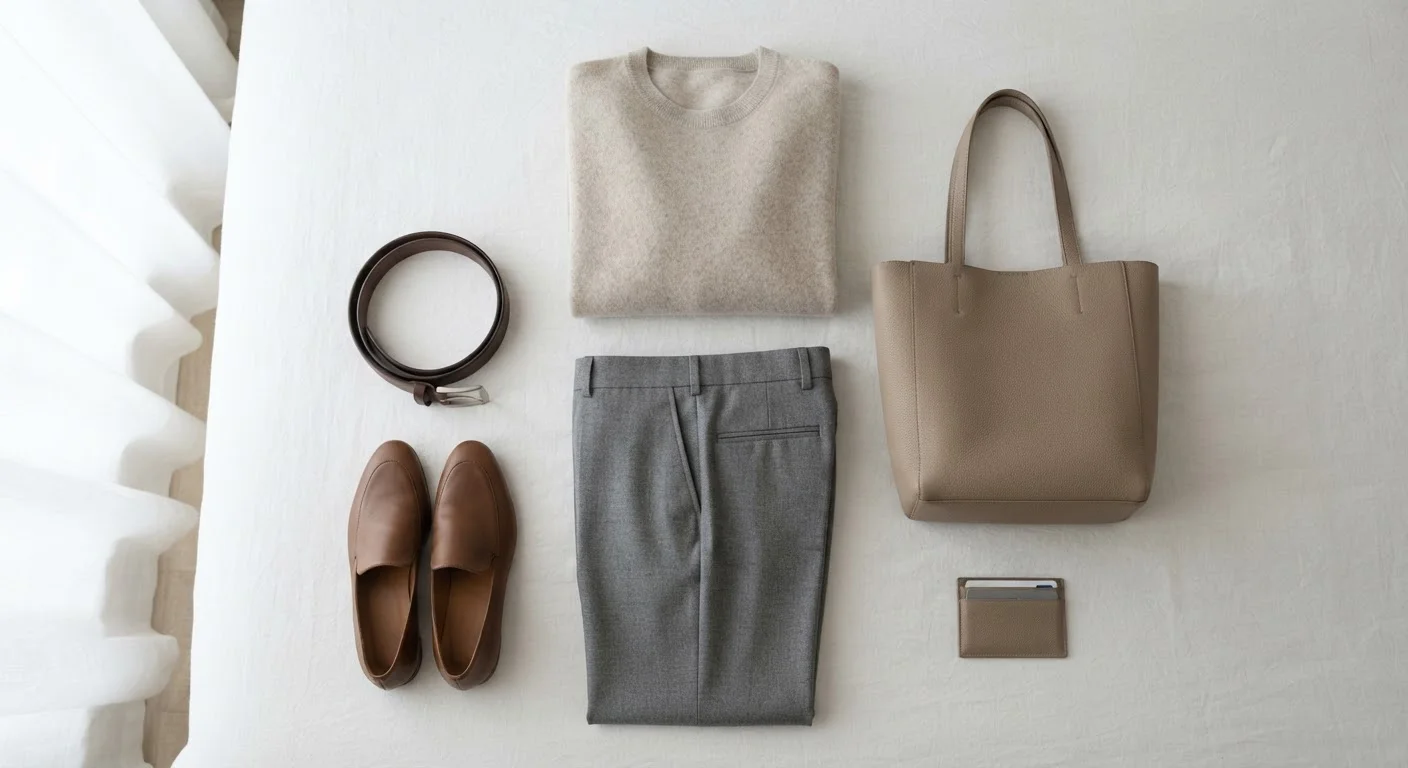
Quiet luxury is a style philosophy centered on understated, high-quality clothing and goods that signal affluence through craftsmanship and fit rather than visible logos or flashy branding. It prioritizes neutral palettes, natural materials, and classic silhouettes over trend-driven statement pieces. The aesthetic is less about showing what you spent and more about projecting a sense of effortless, enduring taste.
In fashion industry discourse, quiet luxury is sometimes contrasted with 'logomania' - the preference for prominently branded goods - and positioned as a reaction to the maximalism that dominated streetwear-influenced fashion in the 2010s.
The Core Idea Behind the Term
Strip away the marketing language and quiet luxury describes something fairly simple: a preference for clothes and goods that communicate quality without shouting about it. No prominent logos, no seasonal trend chasing, no deliberate status signaling through recognizable labels. Instead, the emphasis falls on fabric weight, precise construction, muted color palettes, and silhouettes that hold up over years rather than months.
The term itself consolidated around 2022 and 2023, when it became a widespread label in fashion media and consumer culture discussions. But the aesthetic it describes is not new - it draws from a long tradition of European tailoring and the kind of "old money" restraint that has always existed as a counterpoint to flashier displays of wealth. What changed was how broadly that aesthetic resonated with American consumers and how explicitly they began seeking it out.
For readers navigating today's retail landscape, quiet luxury is one of several terms worth understanding. The glossary of modern shopping trends covers the full range of concepts shaping how consumers talk and think about buying today.
Why It Caught On When It Did
Timing matters with any cultural trend, and quiet luxury arrived during a specific moment of consumer fatigue. Several years of maximalist streetwear, logo-heavy drops, and influencer-driven haul culture had saturated social media feeds. At the same time, economic uncertainty - rising prices, shifting household budgets - prompted many consumers to reconsider the logic of buying frequently and visibly.
Television played a meaningful role. Critically acclaimed prestige dramas featured characters whose wardrobes embodied exactly this kind of restrained wealth, and costume departments were widely credited in entertainment coverage for the choices. What audiences saw modeled on screen filtered into aspirational shopping behavior fairly quickly.
There's also a broader context: American consumer spending patterns have been shifting in ways that made the quiet luxury framing feel intuitive. When shoppers are more selective about purchases, the calculus naturally moves toward fewer items with longer useful lives - which is essentially the quiet luxury value proposition, independent of the trend label.
65%
Consumers prioritizing quality over quantity
A 2023 McKinsey consumer sentiment report found roughly two-thirds of surveyed shoppers said they intended to buy fewer, higher-quality items as part of more deliberate spending habits.
30%+
Growth in secondhand luxury apparel market
Resale platforms reported significant year-over-year growth in heritage and pre-owned luxury categories through the early 2020s, aligning with rising interest in durable, understated goods.
~$67B
U.S. secondhand apparel market value estimate
ThredUp's 2023 Resale Report projected the U.S. secondhand apparel market would approach $70 billion by the mid-2020s, reflecting sustained consumer interest in quality resale over new fast fashion.
What It Actually Signals as a Consumer Behavior
From a shopping behavior standpoint, quiet luxury reflects a reorientation of what clothing and goods are supposed to communicate. Conspicuous consumption - buying visibly expensive things to signal status - has a long documented history in consumer psychology. Quiet luxury doesn't eliminate status signaling; it shifts the literacy required to read it. The signal moves from a logo anyone can recognize to details - a particular fabric, a specific cut - that require more insider knowledge to decode.
This shift has real marketplace implications. It has prompted some consumers to invest more in secondhand markets for heritage pieces, to prioritize natural fabrics over synthetics, and to approach clothing as a long-term decision rather than a seasonal refresh. It also intersects with the broader shift away from accumulating goods toward valuing experiences.
Understanding this distinction helps consumers assess their own motivations. Are you drawn to quiet luxury because you genuinely value durability and restraint? Or because the trend itself is doing its own kind of status work? Both answers are honest - but knowing which is true helps you shop more deliberately. For guidance on staying informed about consumer trends without being driven by them, the practical habits for trend-aware spending article offers a grounded framework.
Reading the Trend Critically
It's worth applying some skepticism to any aesthetic movement once it becomes a named retail category. When retailers attach "quiet luxury" to product lines, they're using the term as a marketing device - and the label can end up applied to goods that merely look understated without delivering the quality the concept originally implied. Price alone doesn't guarantee the values the trend is supposed to represent.
Consumers interested in the underlying principles - durability, considered design, resistance to disposability - are better served by evaluating specific material composition, construction methods, and brand transparency than by trusting any trend label at face value. The what "trending" labels actually signal piece is useful context for understanding how retailers deploy trend language.
The more durable takeaway from quiet luxury isn't about a specific aesthetic at all - it's the underlying consumer logic of buying with more deliberation, favoring longevity over novelty, and understanding what any purchase is actually doing for you beyond the immediate transaction.