

Key Takeaways
Untapped market with no competing loyalties
New markets often have sports-hungry fans who've never had a local team to root for, meaning ownership can capture attention quickly without fighting entrenched rivalries.
Fresh brand identity built for the city
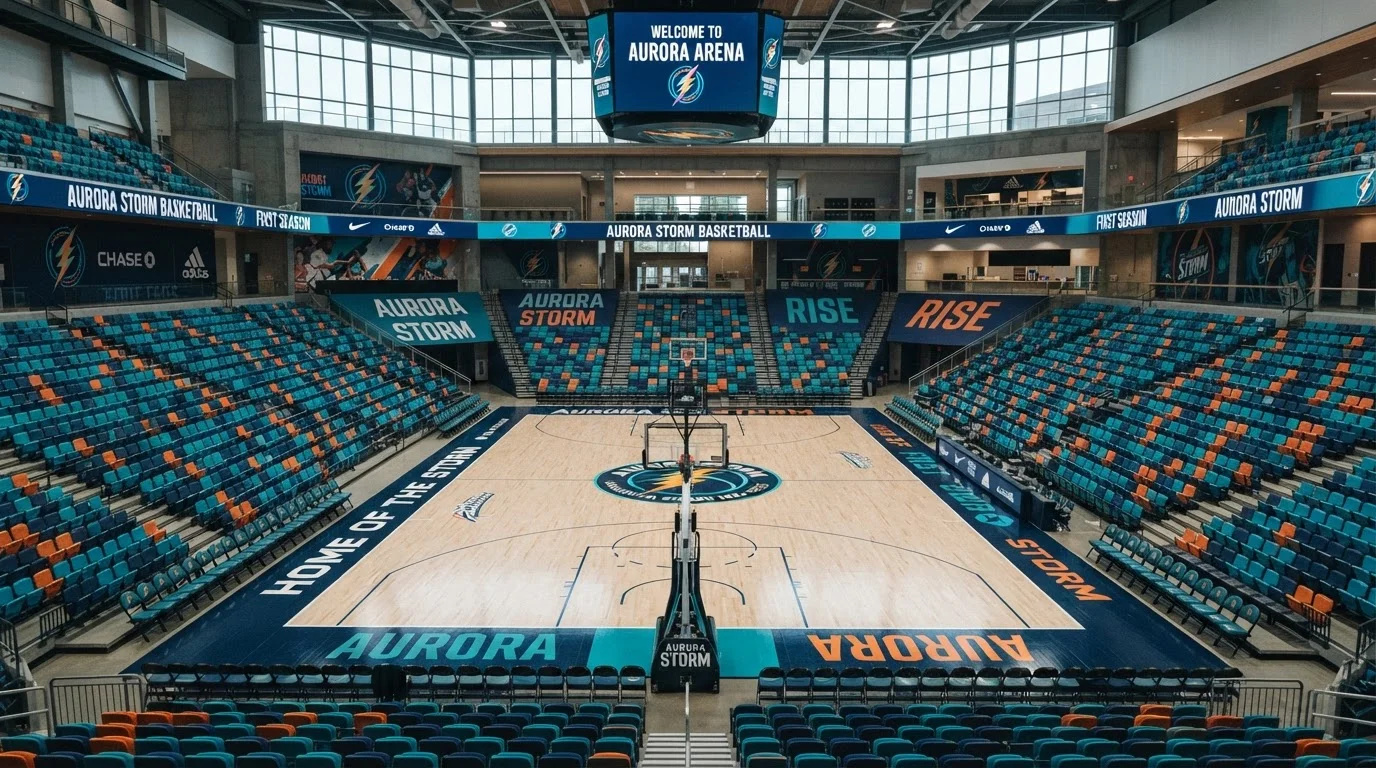
Expansion teams get to design their entire identity - name, colors, mascot, arena experience - from scratch, allowing them to embed local culture directly into the brand.
Novelty drives early ticket and merchandise sales
The excitement of a new team generates curiosity-driven attendance and merchandise purchases in the first season, giving franchises a valuable revenue runway to establish themselves.
Potential to become a city's defining institution
A new franchise has the opportunity to become the premier entertainment option in a city, without decades of competing narratives or outdated reputations to overcome.
League support and spotlight during launch
Leagues typically provide marketing resources, scheduling consideration, and media attention to new franchises, giving them a promotional boost unavailable to established teams.
Expansion draft yields weak rosters
New franchises select from players left unprotected by existing teams - typically aging veterans or fringe roster players - making it structurally difficult to compete early.
Early losing seasons test fan patience
When excitement fades after year one and the losses pile up, casual fans who showed up for the novelty often disappear, leaving franchises chasing attendance for years.
No rivalries, traditions, or shared history
Fan loyalty is deeply tied to narrative and memory; new teams must manufacture those stories from nothing, which takes years and requires genuine on-field drama to accelerate.
Competing against transplant loyalties
In cities with large transient or transplant populations, many residents already hold allegiances to teams from other markets, making local conversion a persistent challenge.
Massive upfront expansion fees limit early investment
Ownership groups that spend hundreds of millions on an expansion fee may face financial pressure to keep operating costs lean, which can directly limit player acquisition and arena investment.
Market viability isn't always proven in advance
Leagues sometimes expand into cities based on TV market size or political momentum rather than demonstrated sports passion, leading to franchises that never find a stable fan base.
Our Verdict
Expansion franchises are high-risk, high-reward propositions. The leagues that expand into the right markets with the right ownership and a clear identity-building strategy can create thriving, lasting franchises. Those that skip the groundwork often spend decades chasing relevance.
Sports fans curious about why some new franchises become instant institutions while others struggle for decades to fill seats.
Why Leagues Keep Expanding
Professional sports leagues in America have a long history of planting flags in new cities - driven partly by economics, partly by geography, and partly by the sport's ambition to grow its footprint. When a league adds a team, it collects a substantial expansion fee from the new ownership group, which is typically split among existing franchises. The NFL's expansion fee for the Houston Texans in 2002 was roughly $700 million. By the time the NHL added the Vegas Golden Knights in 2017, that figure had climbed to $500 million - with the league adding the Seattle Kraken in 2021 for a reported $650 million.
Beyond the upfront windfall, new markets mean new television households, new merchandise buyers, and new corporate sponsors. For the league as a collective business, expansion is almost always financially rational. But for the new franchise itself, the real work is just beginning. To understand how franchise economics work beneath the surface, see what people get wrong about sports franchise revenue.
The Pros of Starting Fresh
There's something genuinely exciting about a blank slate. Expansion franchises enjoy advantages that established teams simply can't replicate.
Untapped market with no competing loyalties
New markets often have sports-hungry fans who've never had a local team to root for, meaning ownership can capture attention quickly without fighting entrenched rivalries.
Fresh brand identity built for the city
Expansion teams get to design their entire identity - name, colors, mascot, arena experience - from scratch, allowing them to embed local culture directly into the brand.
Novelty drives early ticket and merchandise sales
The excitement of a new team generates curiosity-driven attendance and merchandise purchases in the first season, giving franchises a valuable revenue runway to establish themselves.
Potential to become a city's defining institution
A new franchise has the opportunity to become the premier entertainment option in a city, without decades of competing narratives or outdated reputations to overcome.
League support and spotlight during launch
Leagues typically provide marketing resources, scheduling consideration, and media attention to new franchises, giving them a promotional boost unavailable to established teams.
The Vegas Golden Knights are perhaps the most dramatic proof of concept. Entering the NHL in 2017-18, they reached the Stanley Cup Final in their inaugural season - a feat that had never been accomplished in major North American pro sports. Their success wasn't purely on-ice: ownership invested heavily in building local identity in a city with no deep hockey tradition, and it paid off in sold-out arenas and passionate fan engagement almost immediately.
The Cons: Why Expansion Is Often a Long, Hard Road
For every Golden Knights miracle, there are many more franchises that spent years - sometimes decades - struggling to establish themselves. The challenges are structural, not just circumstantial.
Expansion draft yields weak rosters
New franchises select from players left unprotected by existing teams - typically aging veterans or fringe roster players - making it structurally difficult to compete early.
Early losing seasons test fan patience
When excitement fades after year one and the losses pile up, casual fans who showed up for the novelty often disappear, leaving franchises chasing attendance for years.
No rivalries, traditions, or shared history
Fan loyalty is deeply tied to narrative and memory; new teams must manufacture those stories from nothing, which takes years and requires genuine on-field drama to accelerate.
Competing against transplant loyalties
In cities with large transient or transplant populations, many residents already hold allegiances to teams from other markets, making local conversion a persistent challenge.
Massive upfront expansion fees limit early investment
Ownership groups that spend hundreds of millions on an expansion fee may face financial pressure to keep operating costs lean, which can directly limit player acquisition and arena investment.
Market viability isn't always proven in advance
Leagues sometimes expand into cities based on TV market size or political momentum rather than demonstrated sports passion, leading to franchises that never find a stable fan base.
The NBA's expansion history illustrates the full spectrum. Teams like the Charlotte Bobcats (now Hornets) endured years of poor drafts and thin rosters before finding stability. The expansion draft system, which allows new franchises to select from players left unprotected by existing teams, rarely yields stars. You're essentially building with the pieces no one else wanted. For deeper context on the league's growth arc, the NBA's expansion era traces how the league navigated these same tensions across decades.
Building Identity: The Make-or-Break Factor
Fan bases aren't born - they're built through rituals, stories, and shared experiences. For expansion franchises, the urgency to create those touchstones is immediate. A team's name, colors, mascot, and arena culture all send signals about who this team is for and what it stands for.
The Transplant Fan Problem
Cities like Las Vegas, Phoenix, and Miami have large populations of residents who relocated from other parts of the country - and brought their team loyalties with them. This creates a unique challenge for expansion franchises: even a sold-out arena can be split between home and visiting fans. Successful new franchises typically invest heavily in local youth programs, school partnerships, and community events specifically designed to convert transplants and create first-generation local fans.
Social media has shifted the timeline for fan-base development in meaningful ways. A new franchise can now cultivate a following of tens of thousands before it plays its first preseason game, using behind-the-scenes content, player introductions, and community events to generate genuine emotional investment. This matters enormously in markets where transplants - people who moved from cities with established teams - might otherwise default to their original loyalties. See how social media reshaped sports fandom for a broader look at digital community-building.
Another often-overlooked engine of expansion success is generational loyalty. The first kids to wear a new team's jersey grow up to become the most passionate adult fans. How sports fandom gets passed down through families explains why those early years of youth engagement are so critical to long-term franchise health.
Ultimately, expansion teams that thrive tend to share a few traits: committed local ownership, a distinct identity rooted in the city's culture, early competitive moments that give fans something to celebrate, and patience. Those that fail often prioritize short-term cost-cutting over community investment - and pay for it in empty seats for years. The contrast with cities left behind by relocation is stark: expansion gives a city something new to believe in, but only if ownership delivers on that promise.