

Key Takeaways
Start here
Where It All Begins: Youth and Community Programs
Next
High School Sports: The First Big Stage
Then
The College Pathway: Development and Exposure
Almost there
The Draft, the Minors, and Making the Pros
The big picture
What Separates Good from Great
Where It All Begins: Youth and Community Programs
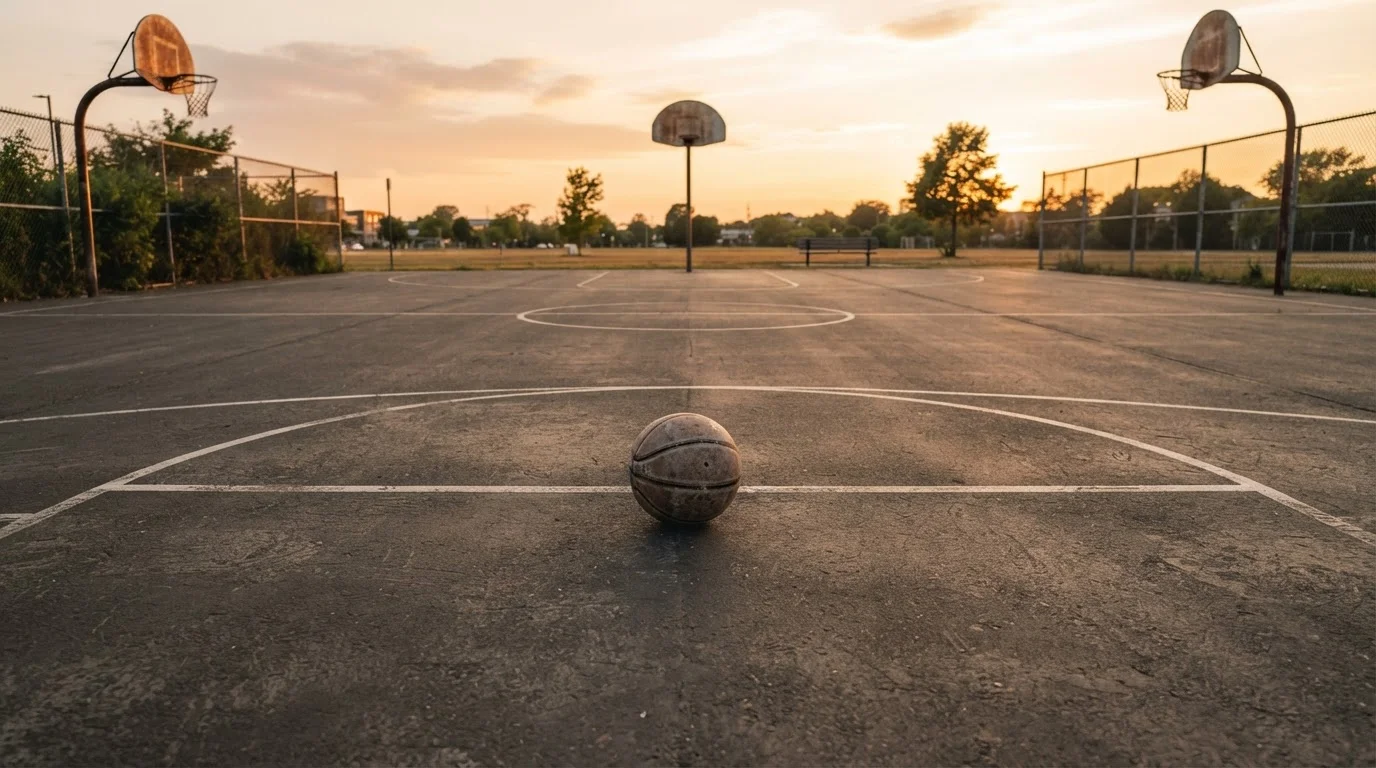
The story of virtually every American sports star begins the same way: a neighborhood park, a rec-center gym, or a community field. Youth leagues - from Little League Baseball to Pop Warner Football to AAU Basketball - form the true foundation of the American athletic pipeline. They introduce kids to competition, teamwork, and the early fundamentals of their sport.
These programs vary enormously in resources and quality. Athletes growing up in well-funded suburban districts often access top-tier coaching and facilities far earlier than peers in under-resourced communities - an equity gap the sports world continues to grapple with. Still, raw talent has a way of surfacing regardless of zip code, and community programs remain the most democratic entry point into organized sport.
AAU
The Amateur Athletic Union - a nonprofit organization that runs youth and amateur sports competitions across the U.S., most prominently in basketball and track and field.
Recruiting
The process by which college coaches identify, contact, and offer scholarships to high school athletes who might play for their programs.
Draft eligibility
The rules that determine when an athlete can legally be selected in a professional league's draft, often based on age or years since high school graduation.
Minor leagues
Lower-level professional leagues, most commonly in baseball, where younger players develop their skills before being called up to the major league team.
Specialization
When a young athlete focuses exclusively on one sport year-round, rather than playing multiple sports across different seasons.
Division I
The highest level of NCAA college athletics, characterized by the most competitive programs, the largest scholarship budgets, and the greatest national media exposure.
High School Sports: The First Big Stage
For most aspiring athletes, high school is where the stakes get real. State championships attract local media. Coaches begin to build reputations. And college recruiters start making calls. High school athletics in America are organized through state associations affiliated with the NFHS, which sets eligibility and competition rules across more than 19,000 member schools.
This is also where specialization often accelerates. Young athletes begin to dedicate their off-seasons to skills camps, travel teams, and position-specific training. For some, a breakout high school season is the catalyst for a Division I scholarship offer. For others, the high school years are a quieter process of growth - improvement that only reveals itself later. Curious about how talent gets funneled into the professional world from here? Our look at late bloomers vs. child prodigies illustrates how dramatically developmental timelines can vary.
The College Pathway: Development and Exposure
For football and men's basketball players, college is essentially mandatory before turning professional - the NFL requires players to be three years removed from high school graduation, and the NBA has its own age eligibility rules. But college athletics offer more than just a waiting room. They provide elite competition, strength and conditioning programs, film study, and national television exposure.
The NCAA oversees three divisions of college athletics, with Division I representing the highest level of competition and scholarship investment. Schools recruit aggressively, and the college game itself draws millions of fans who often feel as passionate about their team as any professional franchise. For a deeper look at what makes college athletics distinct from the pros - including amateurism rules and revenue structures - see our guide on college vs. professional sports.
The Draft, the Minors, and Making the Pros
Most athletes who turn professional do so through a draft - a structured selection process in which teams choose eligible players, usually in reverse order of the prior season's standings. The NFL Draft, NBA Draft, NHL Draft, and MLB Draft each operate under distinct rules governing eligibility, number of rounds, and signing bonuses.
Being drafted, however, is not the finish line. The MLB's minor league system - which includes multiple tiers from rookie ball to Triple-A - can keep prospects developing for years before a big-league debut. The NBA has its G League as a developmental circuit, and the NHL has the American Hockey League feeding its rosters. Surviving the cut, earning a roster spot, and then sustaining performance at the highest level requires a player to evolve continuously. To understand the organizational structures these athletes are stepping into, our breakdown of how American professional leagues are organized is a useful companion read.
Don't Overlook the Undrafted Path
Not every professional athlete is selected in a draft. Undrafted free agents can sign with teams immediately after the draft concludes, and many have gone on to long, decorated careers. Being passed over is a setback, not a verdict - determination and the right opportunity can still open professional doors.
What Separates Good from Great
Physical talent is the entry fee. What distinguishes the athletes who reach the top - and stay there - is harder to quantify. Coachability, the willingness to absorb and apply feedback, ranks high among traits scouts and coaches consistently cite. So does mental toughness: the ability to handle failure, injury, and adversity without losing focus or drive.
The best players also tend to be students of their sport. They study film, understand tendencies, and adapt when opponents adjust. LeBron James, Tom Brady, and Serena Williams are frequently cited examples of athletes whose longevity was powered as much by preparation and intelligence as by physical gifts. Many of these athletes have also used their prominence as a platform beyond the game itself - a tradition explored in our article on athlete activism in America.
The road from local courts to national stages is long, unpredictable, and demanding - but for those who navigate it, it represents one of the most compelling journeys in American life.