

Key Takeaways
The Gap Between What Retailers Know and What Shoppers Assume
Most people walk into a store - physical or digital - thinking they're making independent choices. What they're actually navigating is an environment engineered with considerable precision. Retailers have spent decades building systems that track, predict, and shape consumer behavior, often in ways that aren't visible to the people being influenced.
This isn't a conspiracy - it's a business model. Understanding how these systems work doesn't mean shoppers are helpless; it means they can engage more deliberately. The tactics below represent well-documented practices across the retail industry. Awareness is the first step toward spending that reflects your actual priorities rather than someone else's marketing goals.
For a broader look at how marketplace mechanics affect your wallet, see our Consumer Spending hub for practical context.
Your loyalty card is a data pipeline, not just a discount card
Loyalty programs are among the most efficient consumer data collection tools ever built. When you scan a card or use an app, retailers typically log what you bought, when, at what price, how you paid, and what you didn't buy that was nearby on the shelf. Over time, this creates a detailed behavioral profile - spending frequency, brand sensitivity, response to promotions - that informs targeted offers, inventory decisions, and pricing strategy.
The discount you receive is real. So is the data exchange. Reading the program's terms and conditions - particularly around data sharing with third parties - gives you a clearer picture of what you're trading for that ten percent off.
A loyalty card isn't just a discount tool - it's a behavioral data stream retailers mine continuously.
Dynamic pricing means you may not pay the same as the next shopper
Online retailers and some physical stores adjust prices based on demand signals, time of day, local competition, and - in some documented cases - device type or browsing history. This practice, broadly called dynamic pricing, is legal and widespread. Airlines and hotels pioneered it; e-commerce platforms have extended it into everyday goods.
Shoppers can partially counteract this by using private browsing, comparing prices across devices, and checking third-party price-tracking tools before purchasing items with significant price variance.
Dynamic pricing means the price you see may be personalized to your browsing profile and timing.
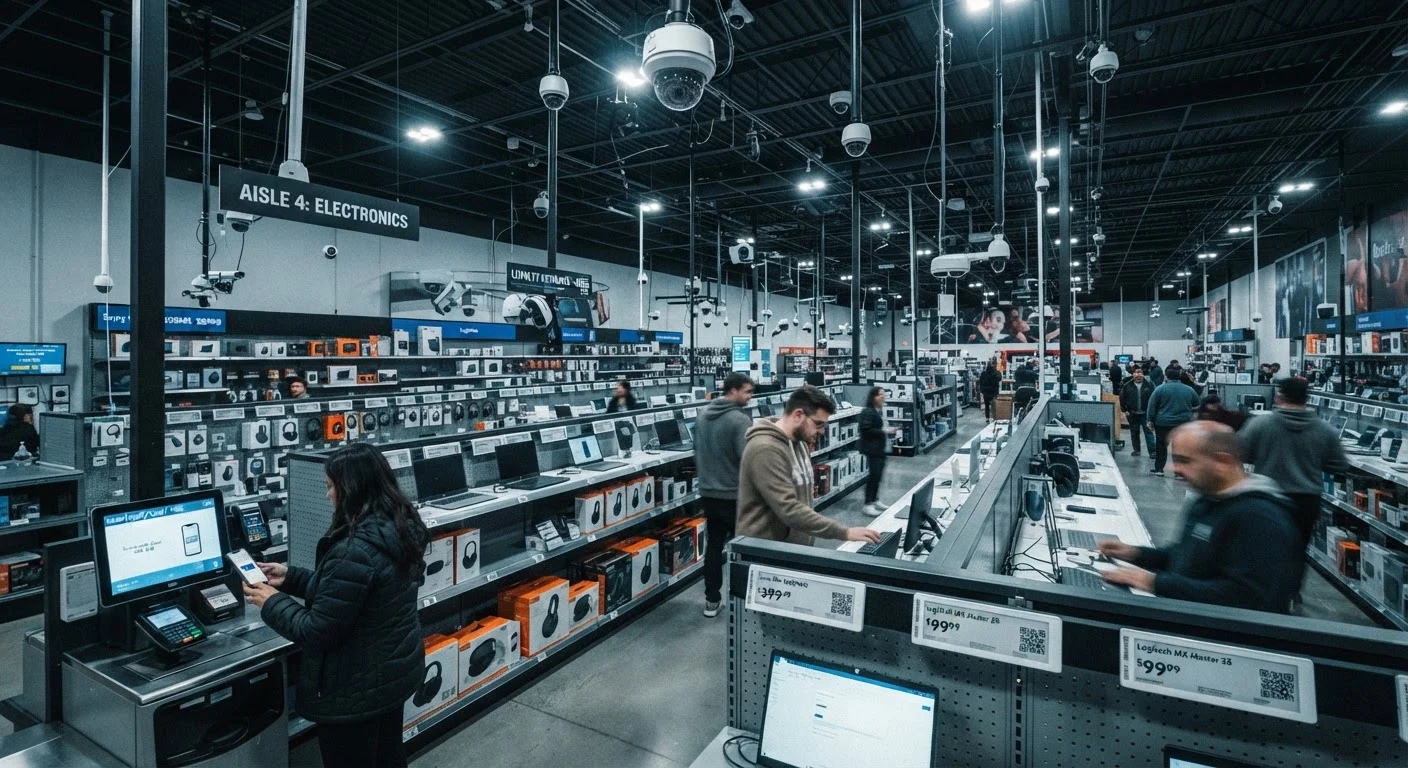
Store layouts are designed to maximize exposure, not convenience
Grocery and big-box stores typically place high-frequency items - dairy, bread, pharmacy - at the back or perimeter. This isn't accidental. The goal is to route shoppers through as much of the store as possible, increasing the likelihood of unplanned purchases. End-cap displays (the products at the end of each aisle) are prime real estate, often featuring items with higher margins rather than simply popular products.
Online, the equivalent is homepage placement, curated recommendation modules, and the order in which search results appear - all of which are influenced by commercial relationships, not purely relevance.
High-traffic store zones are engineered detours, not shortcuts - each one an opportunity to add to your cart.
Urgency signals are often algorithmically manufactured
"Only 3 left in stock." "Sale ends in 4:32:17." These prompts reliably accelerate purchasing decisions, and retailers know it. What shoppers may not realize is that low-stock warnings and countdown timers are frequently generated by algorithms set to trigger at certain thresholds - or are refreshed automatically - rather than reflecting genuine scarcity or a hard deadline.
This doesn't mean every urgency signal is misleading. It means the impulse to act immediately deserves a brief pause. "Trending now" labels operate similarly - they signal social proof rather than independent editorial judgment.
Countdown timers and low-stock alerts are often algorithm-triggered, not evidence of genuine scarcity.
Sensory design shapes spending in ways shoppers rarely notice
Academic research in retail psychology has documented that ambient music tempo, scent, lighting temperature, and even aisle width influence how long shoppers stay and how much they spend. Slower music correlates with longer dwell time; warmer lighting tends to make environments feel more comfortable and less transactional. These aren't minor effects - studies in the field suggest they can measurably shift average transaction size.
The same principles apply online: color palettes, button placement, font choices, and the presence of free-shipping thresholds are all conversion-optimized through iterative A/B testing on real users.
Background music, lighting, and scent in stores aren't aesthetic choices - they're conversion tools.
Return policy design is a behavioral tool, not just a customer service feature
Generous return windows reduce purchase hesitation - a well-documented effect sometimes called the "endowment effect," where ownership of an item increases its perceived value and makes returns less likely. Retailers with liberal return policies often see higher initial purchase rates, knowing many customers won't follow through on returning items even when dissatisfied.
This dynamic is shifting as return costs have risen sharply for retailers. Return policies have become increasingly strained, with more retailers adding restocking fees, narrowing return windows, or requiring in-store returns for online purchases. Reading the policy before purchase - not after - is now more consequential than it used to be.
Easy return policies are designed to lower purchase hesitation, betting you won't use them.
What You Can Do With This Knowledge
None of these tactics are illegal, and some are arguably neutral - dynamic pricing, for instance, can work in a shopper's favor as easily as against it. The issue is asymmetry: retailers have sophisticated models built on aggregate consumer data, while individual shoppers typically operate on instinct and habit.
Closing that gap doesn't require exhaustive research on every purchase. It requires a handful of calibrated habits: pausing before responding to urgency cues, reading loyalty program terms before enrolling, and evaluating sale prices on their own terms rather than relative to a markdown you can't verify.
Build a Simple Pre-Purchase Habit
Before responding to an urgency cue or promotional offer, take 30 seconds to ask two questions: Would I buy this at full price, and do I know what full price actually is? These two checks address the most common leverage points retailers use to accelerate unplanned spending. For additional habits that help you stay aware without letting trends drive your decisions, practical guidance on trend-aware shopping offers a structured approach.
For a deeper look at how discount formats can obscure true cost, this breakdown of confusing discount strategies explains the mechanics behind BOGO, bundle pricing, and tiered markdowns. And if you want to build fluency with the broader vocabulary of modern retail, a plain-language shopping trends glossary covers terms like showrooming, haul culture, and de-influencing that are reshaping how Americans shop.
Informed shoppers aren't cynical shoppers - they're simply better equipped to decide when a retailer's offer genuinely serves them and when it's optimized for someone else's margin.