

Key Takeaways
Option A
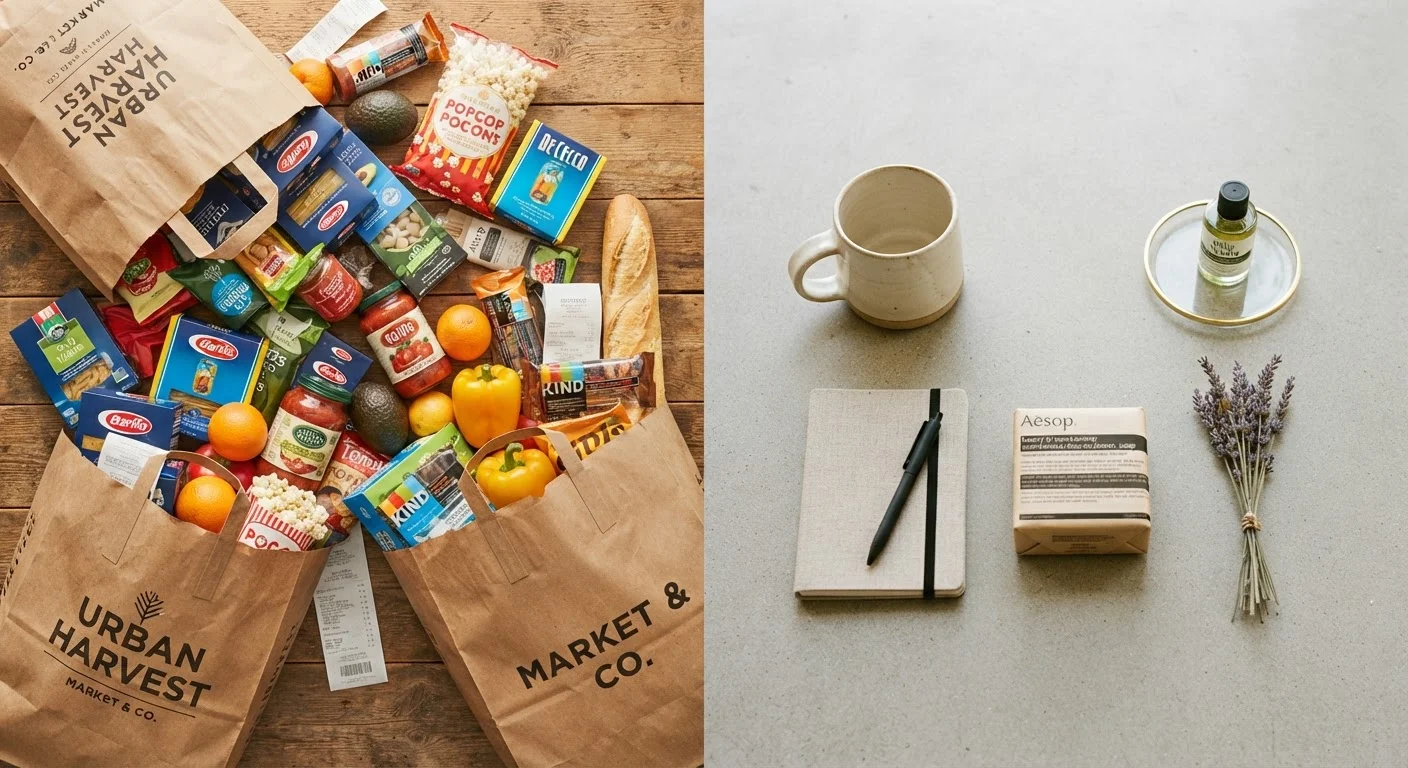
Haul Culture
The high-volume, trend-driven approach to shopping.
Best for: Shoppers energized by discovery, variety, and community engagement around consumer goods.
Option B
Intentional Consumption
The deliberate, needs-based philosophy of buying less but better.
Best for: Shoppers prioritizing financial clarity, reduced clutter, and alignment between purchases and personal values.
If you enjoy variety and trend discovery but want guardrails on spending
Intentional Consumption
Setting a defined budget or wishlist before browsing can preserve the enjoyment of discovery while limiting impulse-driven overspending.
If you frequently feel buyer's remorse or own items you never use
Intentional Consumption
A needs-first framework helps close the gap between what you buy and what you actually value, reducing regret and clutter.
If social connection and entertainment are central to your shopping experience
Haul Culture
Haul content serves a genuine social function - the key is maintaining self-awareness about when entertainment crosses into financial strain.
If your priority is reducing environmental impact from consumer goods
Intentional Consumption
Buying fewer, longer-lasting items generally reduces packaging waste, return shipping emissions, and disposable product cycles.
What Each Approach Actually Means
Haul culture describes the practice of purchasing large quantities of goods - often clothing, beauty products, or home items - and sharing those purchases publicly, typically through social media video content. The format thrives on volume, variety, and the entertainment of unboxing. It has become a significant driver of demand for fast fashion and mass-market consumer goods, with platforms like TikTok and YouTube amplifying its reach.
Intentional consumption (sometimes called mindful buying) is a framework, not a movement with a single definition. At its core, it means pausing before purchasing to ask whether an item solves a real need, fits your budget, and aligns with your longer-term goals. It often overlaps with minimalism and sustainability thinking, but it doesn't require either - a person can shop frequently and still do so intentionally.
These two approaches don't just differ in volume. They reflect distinct relationships with desire, social identity, and the meaning attached to objects. For a plain-language breakdown of these and other modern shopping terms, see the glossary of modern shopping trends.
| Criterion | Haul Culture | Intentional Consumption |
|---|---|---|
| Purchase volume | High; multiple items per session | Low to moderate; need-driven |
| Decision process | Fast; often impulse or trend-led | Deliberate; evaluated against criteria |
| Social dimension | Highly social; content-shareable | Largely personal; less performative |
| Environmental footprint | Higher; more waste and returns | Lower; fewer items, longer lifespan |
| Financial impact | Can accumulate; low unit cost masks total | Higher upfront; lower repeat spending |
| Primary appeal | Entertainment, novelty, community | Clarity, alignment, reduced clutter |
The Forces Driving Each Behavior
Haul culture doesn't emerge from irrationality. It is reinforced by deliberate platform mechanics - algorithmic reward for high-engagement content, influencer economics that incentivize product volume, and retail pricing structures (like ultra-low per-item costs on certain e-commerce platforms) that lower the psychological barrier to adding more to cart. Social comparison also plays a documented role: seeing peers or creators with abundant new goods can trigger a sense of scarcity or exclusion that shopping temporarily relieves.
Intentional consumption, by contrast, has grown partly as a reaction to those same pressures. Broader cultural conversations about waste, financial stress, and the psychological weight of clutter have made deliberate buying more visible and appealing to a segment of consumers. Research from consumer behavior fields consistently shows that purchasing frequency and life satisfaction are not strongly correlated once basic needs are met - a finding that has filtered into mainstream awareness.
59%
Online shoppers who made impulse purchases
A Slickdeals survey found that a majority of online shoppers reported making unplanned purchases influenced by deals or browsing behavior.
~30%
E-commerce return rate for apparel
Industry estimates from the National Retail Federation consistently place online clothing return rates around 30%, a figure tied in part to high-volume, low-commitment buying patterns.
2x
Growth in resale market vs. traditional retail
ThredUp's annual resale reports have documented resale growing at roughly twice the rate of the broader retail market over recent years, reflecting demand for alternatives to new goods.
It's also worth noting that the shift toward intentional consumption is tied to broader spending pattern changes. Americans spending more on experiences than goods reflects a related reordering of priorities that has been underway for several years.
Real Trade-Offs to Understand
Neither approach is cost-neutral, financially or otherwise. Haul culture's appeal often rests on low per-unit prices, but aggregate spending can accumulate quickly - and the return rates associated with high-volume online orders carry both financial and environmental costs that aren't always visible to the buyer at checkout.
Intentional consumption has its own trade-offs. A focus on quality and longevity can mean higher upfront costs, which isn't equally accessible to all budgets. There's also a risk of the framework becoming its own form of spending pressure - where purchasing the "right" item becomes a lengthy, anxiety-laden research process rather than a genuinely freeing practice.
For consumers trying to stay informed about these dynamics without letting them drive reactive spending decisions, practical habits for navigating shopping trends offer a useful starting point. And for those already exploring alternatives to new goods, secondhand shopping's rise into the mainstream shows how resale markets now provide a middle path that many consumers find satisfying on multiple dimensions.
Understanding your own purchasing patterns - what triggers impulse buying, what you actually use, and what you regret - is the most actionable place to start regardless of which philosophy you're drawn to. The framework for evaluating products critically can help sharpen that judgment before the next purchase decision.