

Key Takeaways
Why the Exterior Creates a Value Frame Buyers Can't Ignore
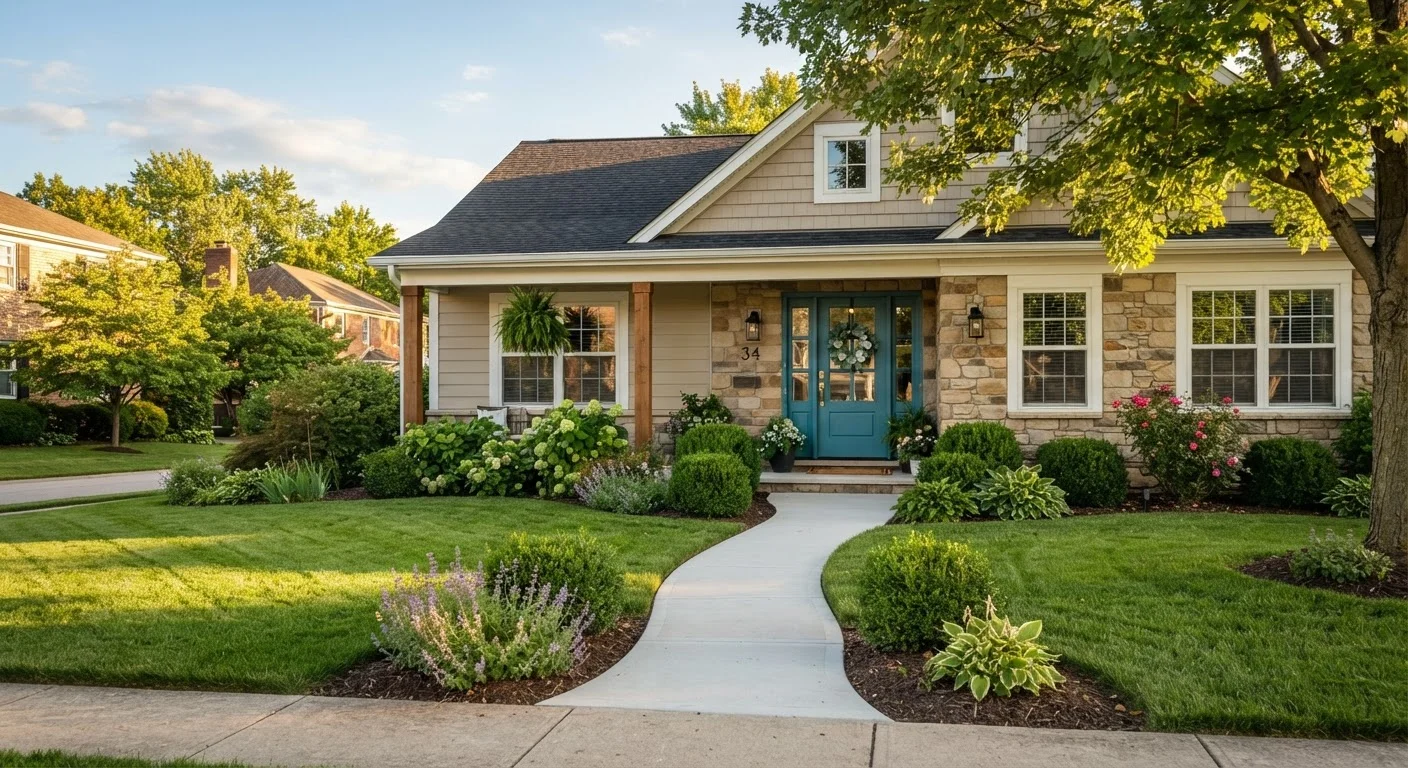
Before a prospective buyer reads a listing description or tours a kitchen, they have already formed an impression standing at the curb. Research in environmental psychology consistently shows that first impressions form within seconds of visual exposure - and in real estate, those seconds happen outside. That initial emotional response primes everything a buyer sees afterward. A home that looks neglected from the street tends to make interior features feel less compelling, even when those features are objectively strong.
This matters financially. Buyers who feel uncertain from the outside often negotiate more aggressively or simply move on. For sellers, a weak exterior can undercut months of interior preparation. Understanding this dynamic is especially relevant for homeowners building equity over time - the exterior is a continuous signal of how well the property has been maintained. For a broader picture of what shapes value at the property level, see what drives home values up and down.
How Appraisers Actually Evaluate Exterior Condition
Appraisers don't rely on intuition - they follow structured guidelines, most commonly those tied to Fannie Mae's Uniform Appraisal Dataset standards for conforming loans. Exterior condition is formally rated, typically on a scale from C1 (new construction) to C6 (severe deferred maintenance). That rating directly influences the appraiser's adjustments when comparing your home to recent sales in the area.
Specific items that appraisers note include: roof condition and estimated remaining life, paint or siding condition, foundation visibility and any visible cracks, grading and drainage (does water flow away from the home?), and the overall maintenance level of landscaping. Deferred maintenance - a term appraisers use for visible repairs that have been postponed - typically results in negative adjustments to value. A peeling paint job or failing gutter system may seem cosmetic, but an appraiser documents it as evidence of a broader maintenance pattern.
“Appraisers are trained to be objective, but they're also human. The condition and appeal of a home's exterior sets a mental baseline that influences how every other data point in the appraisal gets interpreted.”
— Sandra Adomatis, SRA-designated appraiser and recognized authority on green valuation and market analysis
It's worth understanding how appraisal figures differ from tax assessments and what you see on listing sites. Appraised value, assessed value, and market value each serve different purposes - and conflating them leads to misinformed decisions.
Best Practices for Curb Appeal That Holds Real Value
Not all exterior spending returns equally. The improvements that consistently register with buyers and appraisers tend to be about condition and coherence rather than expensive additions. Here are the practices that reliably move the needle.
Maintain paint and siding in clean, unpeeling condition at all times.
Exterior paint and siding are among the first details an appraiser documents and a buyer notices. Peeling, fading, or mismatched paint signals deferred maintenance regardless of interior condition, and can directly lower a condition rating in an appraisal report.
Keep landscaping consistently maintained - mowed, edged, and free of dead material.
Overgrown or patchy landscaping ranks among the most common curb appeal detractors cited in buyer surveys. It suggests neglect and can obscure foundation visibility, which appraisers need to inspect. Regular upkeep costs far less than a full landscape reset.
Address roof and gutter condition proactively, before visible deterioration is obvious.
Roofs and gutters have finite lifespans, and appraisers estimate remaining useful life as part of their assessment. A roof that appears worn or gutters that are visibly sagging signal near-term capital expense to buyers and may trigger lender scrutiny on financed purchases.
Ensure the front entry - door, hardware, lighting, and steps - is clean and functional.
The front entry is the focal point of any exterior and the last visual impression before a buyer crosses the threshold. A worn or dated entry disproportionately affects perceived value relative to its actual replacement cost.
Correct any grading or drainage issues that allow water to pool near the foundation.
Improper grading is a red flag for appraisers and home inspectors alike, as it suggests potential foundation or moisture risk. Even when no actual damage exists, visible drainage problems reduce buyer confidence and may require disclosure.
Homeowners should also be aware that overspending on exterior upgrades relative to the neighborhood can limit returns. A premium landscape installation in a neighborhood of modest homes will rarely recoup its full cost at resale. Location context matters significantly - how property values behave differs meaningfully across urban, suburban, and rural settings.
Quick Actions Owners Can Take Now
Equity building through curb appeal doesn't require a renovation budget. Many of the highest-impact steps are maintenance tasks that cost time more than money.
For owners who want to avoid the opposite - subtle choices that quietly erode value - it's worth reviewing common mistakes homeowners make that hurt their property's value before assuming the exterior is fine as-is.