

Key Takeaways
Home Value Drivers
Home value drivers are the specific factors - local, structural, and economic - that cause a property's market price to rise or fall over time. These include everything from school district quality and neighborhood development to mortgage interest rates and national employment trends. Understanding them helps owners make smarter decisions about maintenance, improvements, and timing a sale.
Appraisers use comparable sales ("comps") alongside condition and location data to estimate market value; macroeconomic factors influence buyer demand, which ultimately determines what the market will bear.
The Forces That Set Your Home's Price
A home's market value isn't fixed at the moment of purchase - it shifts continuously in response to forces both inside and outside the property. Some of these forces are within an owner's control; many are not. Knowing which is which is the foundation of smart homeownership.
Broadly, home value drivers fall into three categories: property-level factors (condition, size, layout, and improvements), location-level factors (neighborhood quality, school ratings, amenity access), and macro-level factors (interest rates, employment, and housing supply). All three interact constantly, which is why two nearly identical houses in different ZIP codes can carry vastly different price tags.
For a comprehensive view of how these forces play out across the full arc of ownership, see our complete owner's overview.
Location and Neighborhood: The Dominant Variables
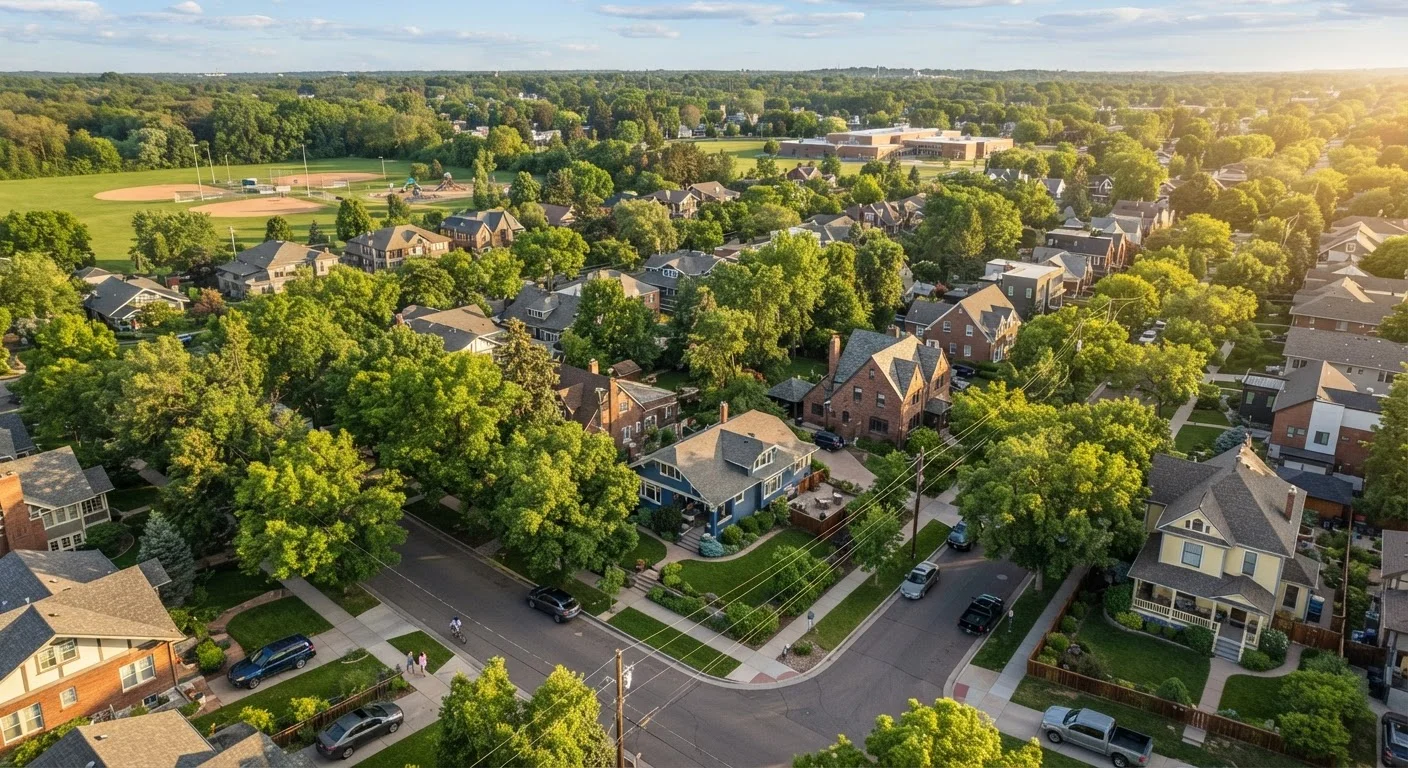
Real estate professionals frequently say that the three most important factors in property value are location, location, and location - and the data generally supports that view. School district ratings, walkability scores, crime statistics, and proximity to employment hubs all feed directly into buyer demand for a specific address.
Equally important is where a neighborhood is heading, not just where it stands today. A block showing signs of investment - new businesses, infrastructure upgrades, rising owner-occupancy - tends to see values climb ahead of broader market trends. A neighborhood experiencing disinvestment can drag values down even when the individual home is well-maintained.
~19%
Premium for top-rated school districts
Research from the National Bureau of Economic Research has found that homes near highly rated public schools can command meaningful price premiums over comparable homes in lower-rated districts.
1-2%
Value loss per year from deferred maintenance
Industry appraisal guidelines suggest that neglected upkeep - particularly on roofing, HVAC, and structural systems - can reduce a home's appraised value measurably over time.
~60-70%
Average cost recovery on a minor kitchen remodel
Remodeling Magazine's Cost vs. Value reports have consistently found that modest kitchen updates recover roughly 60-70 cents on the dollar at resale, varying by region and market conditions.
As explored in our piece on why neighborhood trends matter more than your home's features, a renovated kitchen cannot outrun a declining street. Owners should track local permit activity, business openings, and school performance data as leading indicators of where their neighborhood is headed.
Macroeconomic Conditions: The Invisible Hand
Even a perfectly maintained home in a stable neighborhood can lose market value when the broader economy shifts. Mortgage interest rates are among the most direct levers. When rates rise, monthly payments on a given loan amount increase - which means buyers qualify for less, reducing demand and putting downward pressure on prices. When rates fall, purchasing power expands and competition for homes intensifies.
Local employment conditions matter just as much. Markets anchored by a single large employer are particularly vulnerable: a plant closure or corporate relocation can deflate home values across an entire metro area within a short period. Conversely, a new major employer entering a region - or a remote-work trend making a smaller city newly attractive - can lift demand and push prices higher.
Housing supply is the third macroeconomic variable. When new construction lags behind population growth, scarcity pushes prices up. When inventory surges - through overbuilding or foreclosure waves - prices tend to soften. Our explainer on how interest rates shape what homes are worth digs deeper into the rate-price relationship for homeowners who want more detail.
Property-Level Factors: What You Can Control
While location and macro conditions are largely outside an owner's hands, the condition and features of the home itself remain actionable. Deferred maintenance is perhaps the most common - and most underestimated - threat to home equity. A leaking roof, an aging HVAC system, or outdated electrical wiring don't just affect livability; they show up in appraisals and buyer negotiations, often costing owners more at resale than the repair would have.
Improvements can add value, but the return varies widely. Modest kitchen and bathroom updates in line with neighborhood norms tend to perform reasonably well at resale. Highly personalized renovations - elaborate custom additions, niche finishes - may reflect an owner's taste without meaningfully moving the market price. The golden rule: improvements should generally match the character and price range of comparable homes nearby.
It's worth noting that many popular beliefs about what adds value don't hold up under scrutiny. Our piece on common beliefs about home values that simply aren't true separates myth from evidence on topics like pools, landscaping, and renovation payback.
This article is for general informational and educational purposes only. It does not constitute personalized financial, legal, or investment advice. Readers should consult a licensed real estate professional or financial adviser regarding decisions specific to their circumstances.