

Travel

Before You Board: A Pre-Departure Checklist for International Travel

Share
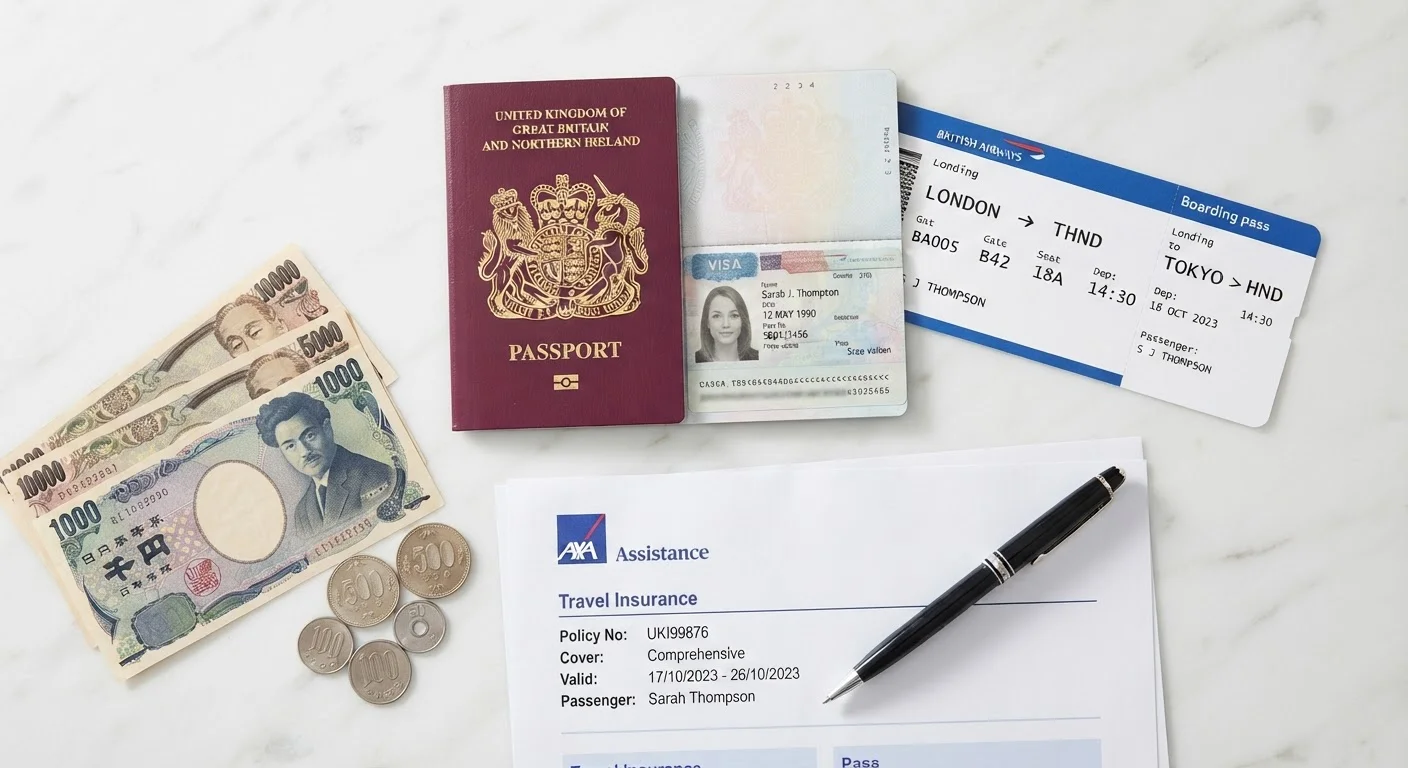
Passport, boarding pass, travel documents, and foreign currency laid out on a white surface

Key Takeaways

Your passport must typically be valid for at least six months beyond your travel dates.
Notify your bank and credit card providers before leaving to avoid frozen accounts abroad.
Check visa and entry requirements with official government sources — rules change frequently.
Travel insurance is worth reviewing carefully; medical evacuation coverage is especially important internationally.
Leave copies of key documents with a trusted contact at home.
45–90 min

Summary

22 items · 45–90 minutes

Why International Travel Demands Its Own Checklist

Heading overseas is a different animal than a domestic weekend trip. The margin for error shrinks considerably when a missing document or lapsed vaccination can turn you away at the border — or leave you stranded at a foreign hospital without coverage. This checklist is designed to help American travelers catch those details before they become expensive problems.

For a broader look at everything that sets international trips apart from domestic ones, see our guide to key differences Americans should know — it covers visas, currency, power adapters, and entry quirks in detail. This checklist focuses specifically on what to verify and complete before you leave home.

Documents & Identity

Check your passport expiration date and confirm it will be valid for at least six months beyond your last travel date, as many countries enforce this rule at entry. Must
Research your destination's visa requirements through the U.S. State Department (travel.state.gov) and apply well in advance if a visa is required. Must
Make two photocopies of your passport, visa, and travel insurance card — leave one set with a trusted contact at home and pack one separately from the originals. Must
Check whether your destination requires an International Driving Permit (IDP) if you plan to rent or drive a vehicle. Should

Health & Vaccinations

Visit a travel medicine clinic or your doctor at least 4–6 weeks before departure to review recommended and required vaccinations for your destination. Must
Obtain a sufficient supply of any prescription medications for the entire trip, plus a few extra days, and carry them in original labeled containers. Must
Check if your destination requires proof of specific vaccinations (such as yellow fever) for entry and obtain an official vaccination certificate if needed. Must
Pack a basic travel health kit: pain relievers, anti-diarrheal medication, rehydration salts, adhesive bandages, and any personal medical devices. Should

Money & Banking

Notify your bank and all credit card providers of your travel dates and destinations to prevent fraud alerts from freezing your accounts abroad. Must
Confirm your debit and credit cards work internationally and understand the foreign transaction fees that apply. Must
Exchange a small amount of local currency before departure for immediate expenses like transport or tips upon arrival. Should
Note the emergency contact number on the back of each card and store it somewhere accessible independent of your wallet. Should

Insurance & Emergency Preparedness

Purchase or verify travel insurance that includes international medical coverage and medical evacuation — confirm the policy is active before departure. Must
Enroll in the U.S. State Department's Smart Traveler Enrollment Program (STEP) so the nearest embassy can contact you in an emergency. Must
Share your detailed itinerary, accommodation addresses, and flight information with at least one trusted contact at home. Must
Locate the nearest U.S. embassy or consulate at your destination and save the address and phone number offline. Should

Connectivity & Logistics

Arrange for international phone service — either an international plan through your carrier, a local SIM card, or an eSIM — before or immediately upon arrival. Must
Confirm you have the correct power adapter and voltage converter for your destination country's electrical outlets. Should
Download offline maps, translation apps, and any booking confirmation PDFs so you can access them without a data connection. Should
Check the current U.S. State Department travel advisory level for your destination at travel.state.gov. Must
Confirm all accommodation, transport, and tour reservations, and save confirmation numbers in an accessible offline format. Should
Research local customs, tipping norms, dress codes for religious or cultural sites, and any laws that differ significantly from U.S. standards. Nice to have

Tools That Make This Easier

You don't need a lot to work through this checklist, but a few resources will save you real time and guesswork.

Required

U.S. State Department — travel.state.gov

Official source for passport and visa requirements, travel advisories, and the STEP enrollment program.

Required

CDC Traveler's Health (cdc.gov/travel)

Provides destination-specific vaccination recommendations and health notices from U.S. health authorities.

Required

Travel Medicine Clinic or Primary Care Provider

A licensed provider can review your health history and administer required or recommended travel vaccines.

Optional

Cloud Storage or Secure Document App

Store encrypted digital copies of your passport, insurance cards, and itinerary so you can access them from any device.

Optional

Offline Maps App

Download your destination's maps before departure so you can navigate without mobile data.

A Note on Insurance, Health, and Safety

Two areas deserve extra attention before any international trip: travel insurance and health preparation. Many American health insurance plans provide little or no coverage abroad, and Medicare does not cover international medical care at all. Reviewing what your travel insurance actually covers — including medical evacuation — is one of the most consequential pre-trip tasks you can complete. Our in-depth look at what travel insurance fine print actually covers walks through the terms worth scrutinizing.

Don't Assume Your U.S. Health Insurance Covers You Abroad

Most domestic U.S. health insurance plans have very limited or no international coverage, and Medicare does not cover care received outside the United States. Without a separate travel insurance policy that includes international medical and evacuation coverage, a serious illness or injury abroad could result in significant out-of-pocket costs. Verify your coverage explicitly before departure — don't assume.

On the health side, always consult a travel medicine clinic or your primary care provider well in advance — some vaccine courses require multiple doses spread over weeks. The CDC and your destination country's official health ministry are the right sources for current requirements. Don't rely on travel blogs or third-party apps for vaccination rules, as these change.

Finally, jet lag is a real physical challenge on long-haul routes. If you're crossing many time zones, our practical guide to jet lag and time zones can help you plan arrival timing and recovery strategies so you hit the ground running.

This article provides general travel planning information. For official entry requirements, health mandates, and travel advisories, always verify with U.S. government sources (travel.state.gov, cdc.gov/travel) and the destination country's official authorities before your departure date, as rules can change without notice.

Travel Editorial Team is the collective byline for our editorial team and contributor network. Articles published under this byline or an editorial pen name are researched, written, and reviewed according to our editorial standards for clarity, consistency, and independence before publication.

View all articles by Travel Editorial Team →
Disclaimer: The content on this site is for informational purposes only and is not a substitute for professional advice. Always consult a qualified professional for guidance specific to your situation.