

Key Takeaways
Start here
The Big Four: America's Major Professional Leagues
Next
How Leagues Are Structured
Then
How Seasons and Playoffs Work
Broaden your view
College Sports: A Whole Other World
Go deeper
Rivalries, Traditions, and Fan Culture
The Big Four: America's Major Professional Leagues
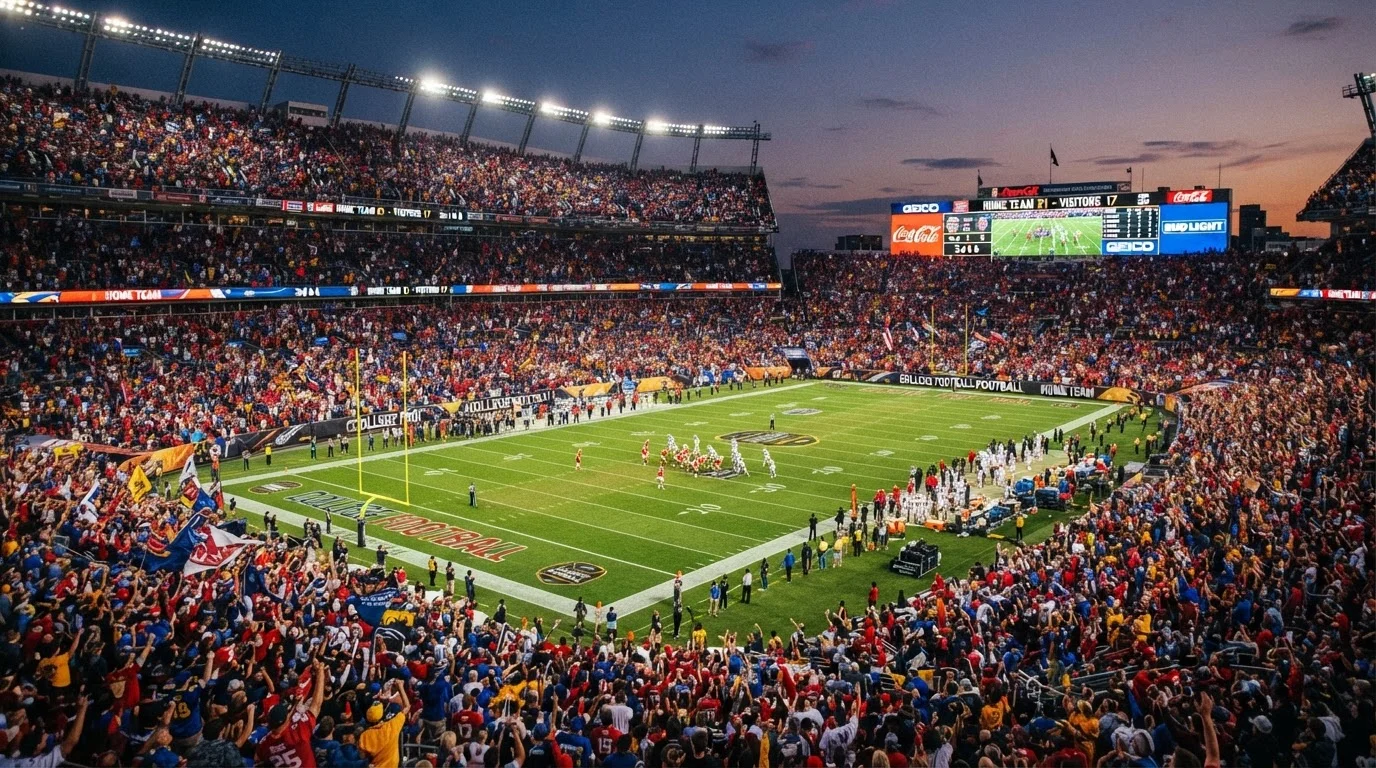
Walk into any American sports bar, and you'll quickly encounter four names: NFL, NBA, MLB, and NHL. These are the dominant professional leagues - football, basketball, baseball, and hockey - and together they anchor the U.S. sports calendar year-round.
The National Football League (NFL) is the country's most-watched league, built on a compact 17-game regular season that makes every Sunday feel like an event. The National Basketball Association (NBA) blends individual star power with team strategy across an 82-game season. Major League Baseball (MLB) is the oldest of the four, stretching back to the 19th century, with a 162-game grind that rewards consistency. The National Hockey League (NHL) brings fast, physical play across 82 games, with a devoted following especially strong in northern U.S. cities and Canada.
For a side-by-side look at how these leagues compare on structure, revenue, and fan culture, see how America's four major leagues compare.
Regular season
The main portion of the sports calendar where all teams play a set number of games to build their win-loss record before the playoffs.
Conference
A large grouping of teams within a league, typically divided geographically (e.g., East vs. West). Teams often compete against conference opponents more frequently.
Division
A smaller cluster of teams within a conference, usually grouped by region. Division matchups tend to be the most frequent and often the most rivalrous.
Playoffs
A postseason elimination tournament where the top teams from the regular season compete for the league championship.
Draft
An annual event where professional teams select new players, usually from college ranks, in a structured order - typically with weaker teams picking earlier.
NIL (Name, Image, and Likeness)
A rule change that now allows college athletes to earn money from endorsements, social media, and personal appearances without losing eligibility.
How Leagues Are Structured
Every major American league organizes its teams using a tiered system of conferences and divisions. Think of it like a set of nested groups: the league splits into two conferences (often East and West, or National and American), and each conference breaks into smaller divisions - typically three or four teams grouped by geography.
This structure does two things. First, it creates natural rivalries - teams in the same division play each other more often, which builds familiarity and intensity. Second, it determines playoff seeding, since division winners often receive automatic berths into the postseason.
The NFL, for example, has 32 teams arranged into two conferences of 16, each divided into four divisions of four teams. The NBA and NHL follow similar logic. For a deeper breakdown of why leagues are built this way, the structure of American professional sports leagues, explained walks through every layer in detail.
How Seasons and Playoffs Work
The regular season is where teams build their records - wins and losses accumulated across dozens (or hundreds) of games. At the end, the top teams by win percentage from each conference advance to the playoffs, a bracket-style elimination competition that leads to the championship.
Championship names are part of American sports lore: the NFL's Super Bowl, MLB's World Series, the NBA's Finals, and the NHL's Stanley Cup. Each format differs - the NFL is a single-elimination bracket, while MLB and NBA playoff rounds are best-of-seven series.
If standings pages ever leave you scratching your head, reading a sports league standings page without getting lost decodes every column. For quick facts on team counts and schedules across all leagues, check American sports leagues at a glance.
Pick One Team to Follow First
The easiest way to get into American sports is to adopt a local team - whichever league is in season right now. Following one team's journey through a full season teaches you the rules, the rhythm, and the drama far faster than watching highlights alone. Once you have a rooting interest, everything clicks into place.
College Sports: A Whole Other World
Alongside professional leagues, college athletics command enormous followings - particularly college football and men's basketball. Governed by the NCAA (National Collegiate Athletic Association), college programs operate under a separate set of rules from pro leagues. Historically, athletes were considered amateurs and received no direct pay, though recent NIL (Name, Image, and Likeness) rules now allow them to earn money from endorsements and appearances.
College sports carry deep regional loyalty. In states without a nearby NFL or NBA franchise, the local university team often becomes the primary sports identity for an entire community. The annual college football bowl season and March Madness - the NCAA basketball tournament - generate nationwide excitement that rivals anything the pro leagues produce.
The distinctions between college and pro sports run deeper than just paychecks. College athletics vs. professional leagues covers amateurism, revenue sharing, and what sets the two worlds apart.
Rivalries, Traditions, and Fan Culture
American sports aren't just about what happens on the field - they're about community, identity, and ritual. Rivalries give fans a shared enemy and amplify every game's stakes. Think Yankees vs. Red Sox in baseball, or Bears vs. Packers in football - matchups that carry decades of history and genuine emotional weight.
Traditions vary by sport and team. Tailgating before an NFL game transforms stadium parking lots into sprawling social gatherings. Baseball has the seventh-inning stretch. The NBA Finals often introduce casual viewers who return season after season. These rituals are as much a part of the experience as the final score.
If you're planning to attend a game in person, sports fandom from the stands covers stadium etiquette and what first-timers can expect. And to explore the broader world of fan experience, the Sports Fandom hub is a great next stop.