

Key Takeaways
Dupe (Shopping Context)
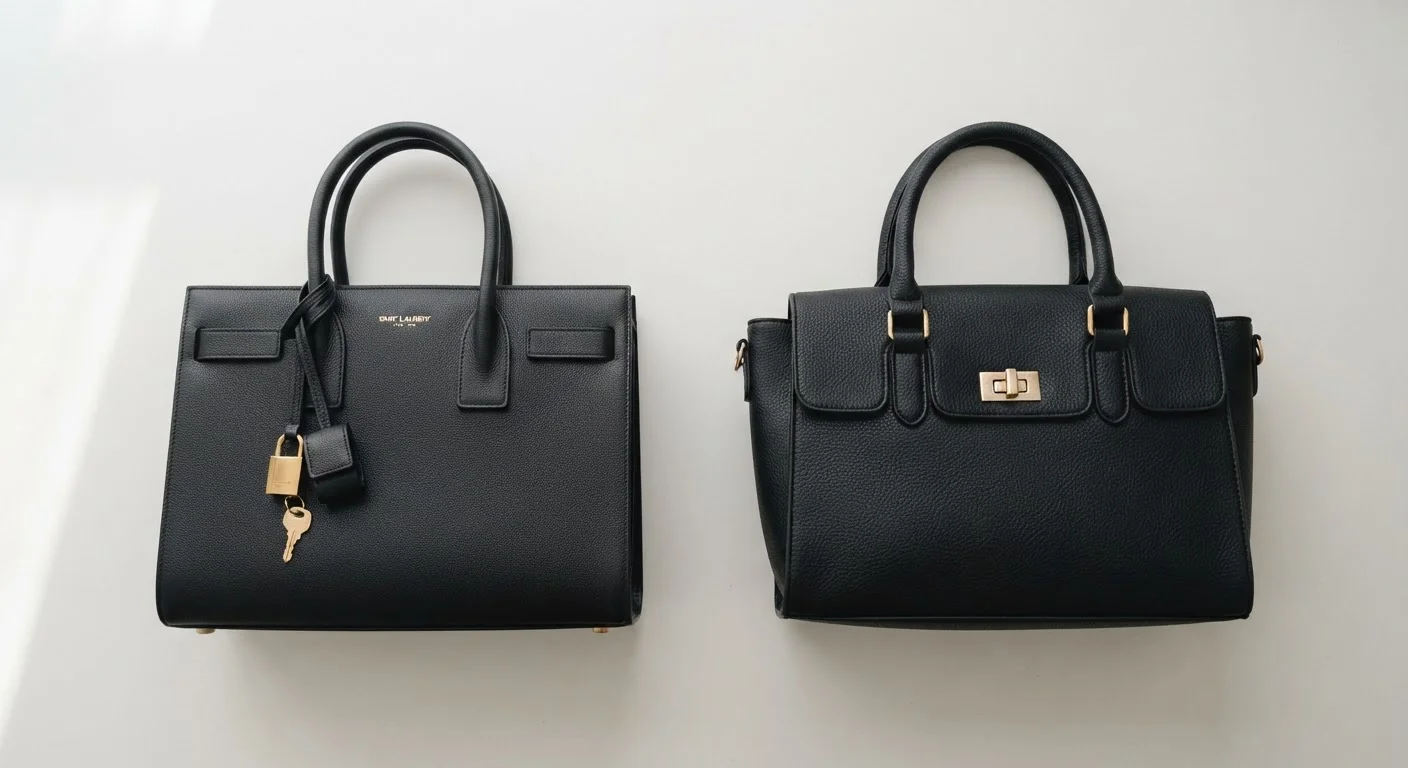
A 'dupe' - short for duplicate - is a product that closely resembles a more expensive item in appearance or function, but is sold at a significantly lower price point under a different brand. Dupes are not counterfeits: they don't copy trademarks or logos. Instead, they mimic an aesthetic or design and are sold transparently as their own product.
The legal boundary between a dupe and a counterfeit turns largely on trademark and trade dress law. A dupe that copies a protected logo or brand identifier can cross into illegal territory; one that only imitates a general look or aesthetic typically does not.
What Exactly Is a Dupe?
The word 'dupe' has been around for years in fashion circles, but it has moved firmly into everyday retail vocabulary. A dupe is a product designed to look - and sometimes function - like a more expensive alternative, sold under a different name at a fraction of the cost. The key distinction from counterfeits is transparency: a dupe doesn't pretend to be the original. It simply borrows the aesthetic.
That distinction matters legally and practically. Counterfeit goods reproduce protected trademarks and are illegal. Dupes occupy a different legal space, one that has existed in retail for decades - think store-brand cereals modeled after name-brand packaging, or fashion retailers producing runway-inspired silhouettes every season. What's changed is the visibility of the behavior and the language around it.
This is part of a broader shift in how consumers talk about shopping. For a full glossary of terms reshaping retail conversation, see our guide to modern shopping terms.
Why Dupe Culture Went Mainstream
Two forces accelerated this trend: social media and economic pressure. Short-form video platforms made it trivially easy for users to hold up an affordable item next to a screenshot of its high-end inspiration, turning dupe-spotting into a participatory sport with massive audiences. Hashtags dedicated to dupe finds collectively generate billions of views.
At the same time, persistent inflation pushed more households to scrutinize discretionary spending. Paying a significant markup for a brand name became harder to justify for many consumers, particularly younger adults who came of age with access to global marketplaces and a skepticism of traditional prestige signals.
Billions
Views on dupe-related social content annually
Dupe-focused hashtags across major short-form video platforms have collectively accumulated billions of views, reflecting how mainstream the behavior has become.
~40%
Consumers who have knowingly bought a dupe
Consumer surveys from multiple retail research firms in recent years have found that roughly four in ten U.S. shoppers report intentionally purchasing a lookalike product.
Gen Z & Millennials
Most likely to seek out dupes
Generational research consistently shows younger adult cohorts are more likely to actively search for lookalike alternatives to higher-priced goods.
The result is a category of shopper who actively seeks out lookalikes, shares their finds publicly, and frames the behavior not as settling for less but as spending strategically. Understanding this framing is important context for anyone trying to make sense of how retail is shifting - and social commerce has been the engine distributing these finds at scale.
What Buyers Should Actually Evaluate
The appeal of a dupe is clear: similar appearance, lower price. The risk is assuming that visual similarity extends to quality, safety, or durability. In many product categories it doesn't, and that gap is worth understanding before purchasing.
In apparel and home décor, the risks tend to be lower - a decorative pillow that resembles a designer version may perform just as well for its intended purpose. In categories like skincare, supplements, children's products, and consumer electronics, the stakes rise. Ingredients, component quality, and safety certifications matter in ways that a product photo cannot convey.
Practical questions worth asking before any dupe purchase: What materials are specified? Does the product carry relevant safety certifications for its category? What do reviews say about durability over time - not just on arrival? Purchases that look like savings can carry hidden trade-offs, a dynamic explored in depth in our piece on hidden costs built into everyday purchases.
The Bigger Picture: What the Dupe Trend Signals
Dupe culture isn't just a shopping hack - it's a signal about how consumers relate to brands. For decades, prestige branding relied on scarcity signals and aspirational marketing. The dupe economy erodes that structure by making the aesthetic available without the price premium, which forces brands to compete more explicitly on quality and product integrity rather than logo alone.
This sits alongside other marketplace shifts - the rise of secondhand goods (explored in our look at resale going mainstream), growing skepticism of opaque pricing, and consumers becoming more deliberate about where their money goes. The throughline is that shoppers - especially younger ones - are less willing to pay for perceived status alone and more interested in understanding what value they're actually receiving.
For retailers and brands, that's a structural challenge. For consumers, it's a reminder that every purchase benefits from scrutiny, whether the item is a recognized name or its more affordable lookalike. The goal isn't always to avoid spending - it's to spend with enough information to make the choice intentional. That same discipline applies when evaluating confusing discount strategies that can obscure the true cost of any purchase.