

Key Takeaways
Fast Fashion
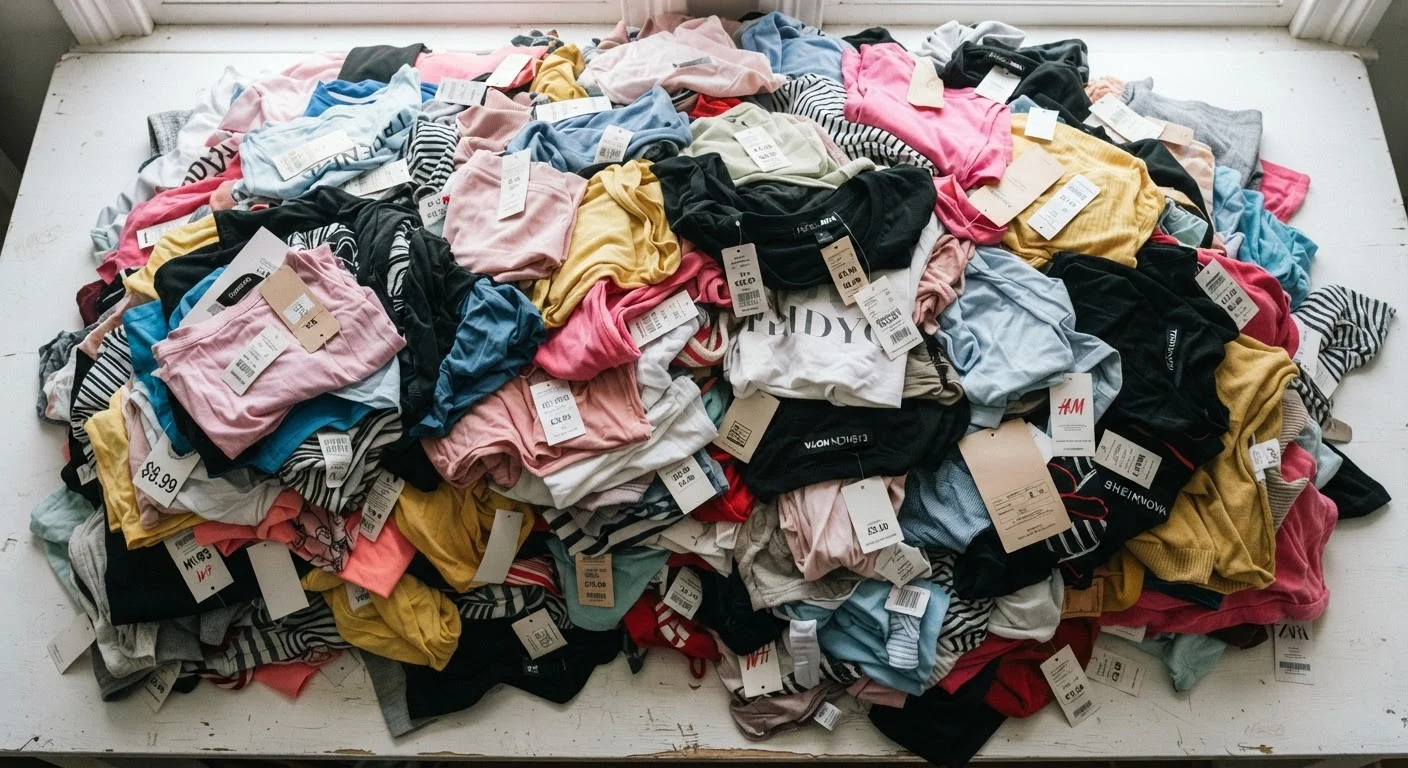
Fast fashion refers to a retail model that rapidly translates runway trends and viral styles into large volumes of low-cost clothing, bringing new items to store shelves - or websites - in a matter of weeks. The speed of production and low price points are deliberate features, not accidents. Garments are typically designed to be worn a handful of times rather than for years.
The business model relies on shortening the traditional fashion calendar from two or four collections per year to dozens of 'micro-seasons,' often supported by data-driven trend forecasting and highly consolidated global supply chains.
How the Fast Fashion Model Works
Traditional clothing retailers once operated on a seasonal rhythm - spring/summer and fall/winter collections, each designed months in advance. Fast fashion dismantled that timeline. By streamlining design, manufacturing, and logistics, some retailers can move a trend from a social media post to a physical or digital storefront in under three weeks.
The economics depend on a few interlocking factors: high production volumes that lower per-unit costs, sourcing from regions with lower labor costs, heavy use of synthetic fabrics like polyester (which are cheaper to produce than natural fibers), and minimal investment in garment longevity. The result is clothing priced low enough that consumers treat individual purchases as low-stakes decisions.
This model has been amplified by social media. Platforms that reward novelty and visual variety accelerate the appetite for new styles. For context, how social commerce works and why it is growing is its own story worth understanding - the connection to fast fashion consumption is direct.
The Environmental and Labor Debates
Fast fashion's critics point to two broad categories of concern: environmental impact and labor conditions.
On the environmental side, the arguments center on water usage in textile dyeing and cotton farming, chemical runoff from manufacturing, carbon emissions tied to global shipping, and the sheer volume of clothing that ends up discarded quickly. Synthetic fabrics shed microplastics when washed, which enter waterways - a concern that researchers are still actively quantifying.
Labor concerns focus on wages, working conditions, and safety in manufacturing facilities, many of which are concentrated in South and Southeast Asia. Auditing and supply chain transparency remain inconsistently applied across the industry, making it difficult for consumers to independently verify claims.
What makes these debates complex is the data. Environmental accounting in fashion is genuinely difficult - lifecycle analyses can reach different conclusions depending on what they measure and how supply chains are mapped. Neither the optimistic nor the alarming headlines fully capture the nuance.
Greenwashing: A Term Worth Knowing
Greenwashing refers to marketing that overstates or misrepresents a product's environmental credentials. In the fashion industry, phrases like 'eco-conscious,' 'sustainable,' or 'green collection' are frequently used without standardized definitions or third-party verification. The U.S. Federal Trade Commission's Green Guides provide a framework for evaluating environmental marketing claims, and regulators have taken action against some fashion retailers for misleading sustainability advertising.
For readers who want to understand alternative retail approaches, secondhand shopping's rise into the mainstream offers grounded context on how resale markets are reshaping retail.
What Consumer Behavior Data Shows
Survey data consistently shows that a significant share of consumers say they care about sustainability when making purchasing decisions. Behavioral data - what people actually buy - often tells a different story, a gap researchers sometimes call the 'attitude-behavior gap' or 'values-action gap.'
~92M
Tons of textile waste generated globally per year
According to estimates widely cited by environmental researchers, the global fashion industry generates approximately 92 million tons of textile waste annually, though methodologies vary across studies.
~60%
Share of clothing made from synthetic materials
Industry analysts estimate that roughly 60% of clothing produced globally contains synthetic fibers such as polyester, which are petroleum-derived and slower to biodegrade than natural alternatives.
~3x
Increase in garments produced since 2000
Reports from organizations tracking global textile production suggest the number of garments manufactured annually has approximately tripled since 2000, while average garment use has declined.
This gap isn't evidence of consumer hypocrisy so much as a reflection of how purchasing decisions actually work. Price, convenience, trend appeal, and habitual behavior all compete with stated values at the point of purchase. Understanding that dynamic is more useful than moralizing about it.
Awareness is, however, measurably shifting. Searches for terms like 'clothing supply chain' and 'garment worker wages' have grown. The glossary of modern shopping terms includes concepts like 'de-influencing' and 'haul culture' - trends that reflect a more self-aware consumer conversation about overconsumption.
What Informed Shoppers Are Starting to Ask
The most practical shift happening among more deliberate shoppers isn't a wholesale rejection of affordable clothing - it's a change in the questions they ask before buying. Cost-per-wear is one framework: dividing a garment's price by the number of times you'll realistically wear it tends to reframe what 'cheap' actually means.
Material composition is another starting point. Checking a garment's care label for fabric content gives a rough signal of durability and how the item will age. This isn't about achieving perfection - it's about applying the same value-assessment logic that evaluating products critically calls for in any category.
Questions about where and how clothing is made are harder to answer, but some retailers are beginning to publish more supply chain information in response to consumer and regulatory pressure. The quality of that information varies significantly, and independent verification remains limited for most shoppers.
For readers working to align spending habits with their values without letting trend culture drive their decisions, staying informed about trends without overspending offers practical habits worth considering.