

Key Takeaways
Impulse Buying
Impulse buying is the act of making an unplanned purchase driven by an immediate urge rather than deliberate intent. It happens when a product or a buying moment triggers an emotional response strong enough to bypass careful consideration. In digital commerce, the design of checkout flows - how fast, easy, and low-effort the transaction feels - directly influences how often impulse purchases happen.
Behavioral economists describe impulse buying as a failure of 'System 2' deliberative thinking, where fast, emotion-driven 'System 1' cognition takes over - a dynamic that frictionless checkout is specifically designed to exploit.
How Friction Became the Enemy of Retailers
Every extra second a shopper spends on a checkout page is an opportunity to abandon a cart. Retailers learned this early in e-commerce, and reducing that friction - every form field, every page load, every moment of hesitation - became a core engineering priority. The result is a generation of checkout systems designed to move shoppers from desire to transaction with minimal cognitive interruption.
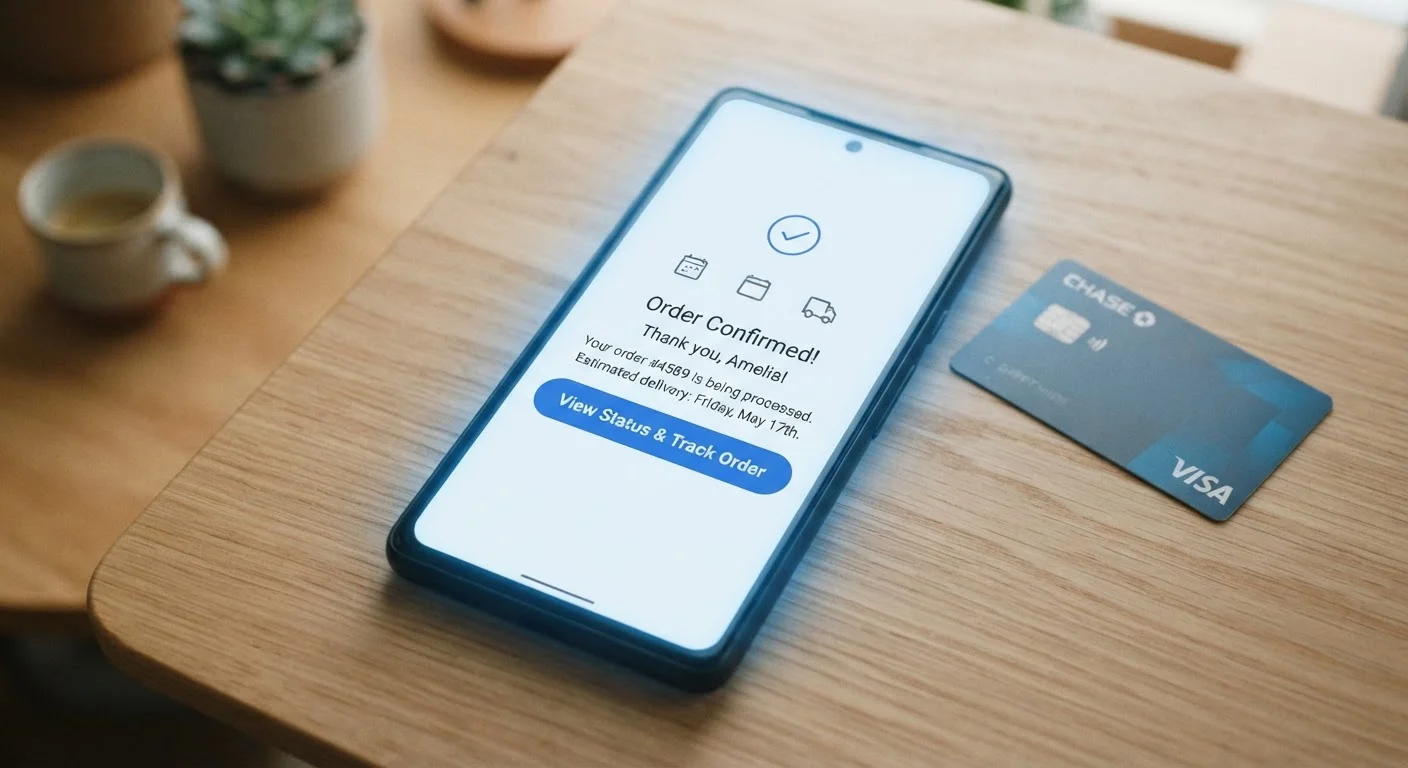
One-click checkout, now widespread across major platforms, eliminates the natural pause created by entering payment information. That pause, inconvenient as it is, also serves as an informal review moment - a beat where a shopper might reconsider whether the item is actually necessary. Removing it doesn't just speed up intended purchases; it also captures purchases that would otherwise have been abandoned.
This is not incidental. The architecture of frictionless commerce is deliberately calibrated to favor completion over reflection. Understanding that design intent is foundational to understanding why impulse buying has become more prevalent in digital retail than it ever was in brick-and-mortar environments.
What Behavioral Research Says About Impulse Purchases
Impulse buying isn't a personality flaw - it's a predictable response to the right set of stimuli. Behavioral researchers have documented for decades that purchase decisions are heavily influenced by context: how an offer is presented, how easy the transaction feels, and how emotionally activated a consumer is in the moment.
“The environment in which a choice is made shapes the choice itself. Remove the pause, and you often remove the reconsideration.”
— Richard Thaler, Nobel Laureate in Economics, pioneer of behavioral economics and nudge theory
Digital commerce adds layers on top of these classic mechanisms. Scarcity messaging ("Only 3 left") triggers loss aversion - the psychological tendency to weigh potential losses more heavily than equivalent gains. Countdown timers manufacture urgency. Auto-filled carts remove the active choice of adding items. Each tactic shortens the window in which deliberative thinking can engage.
The cumulative effect is a buying environment where the default is to complete the transaction. Opting out requires active effort, while spending requires almost none. For shoppers trying to stay within a budget, that asymmetry matters considerably. The cognitive biases that drive overspending are well-documented - and checkout design is built with awareness of them.
Social Commerce and the Shrinking Distance Between Discovery and Purchase
If one-click checkout shortened the path to purchase, social commerce has shortened it further. Shopping directly within social media apps - without ever navigating to a separate retail site - removes the last significant friction point between content consumption and transaction. A viewer watching a product demonstration can purchase it without leaving the video.
This convergence of entertainment, social validation, and commerce creates an environment that is particularly conducive to impulse spending. The emotional engagement that drives people to share and comment on content also primes positive responses to purchase prompts embedded in that same content. Social commerce is reshaping how people discover and buy products, and the speed of that transformation has outpaced most consumers' awareness of what's happening.
The spending patterns that result aren't always large individual purchases. More often, they're frequent small ones - exactly the kind that feel insignificant individually but accumulate fast.
Practical Ways to Reintroduce Deliberate Decision-Making
Understanding how frictionless checkout is designed is itself a form of consumer protection. When you recognize that a countdown timer is an engineered urgency cue rather than a genuine scarcity signal, its power diminishes. That awareness doesn't eliminate impulse buying, but it shifts some of the dynamic back toward the shopper.
Beyond awareness, behavioral research supports several practical interventions. The most effective tend to work by reintroducing friction voluntarily - removing saved payment methods, using a dedicated discretionary spending card with a set limit, or establishing a personal rule to add items to a wish list and revisit them after a fixed period before buying.
Tracking spending patterns is also underutilized. Most people significantly underestimate their impulse spending because each individual purchase feels minor in the moment. A single month of reviewing transactions often surfaces patterns that are invisible purchase-by-purchase. For shoppers navigating trend-driven buying pressure, that kind of periodic review can be a grounding exercise. If you want a framework for evaluating purchases more critically before committing, the Smart Products hub offers research-based guidance on product evaluation.
This article is for informational and educational purposes only and does not constitute financial or purchasing advice tailored to your individual situation.