

Real Estate

Walking Into a Rental Showing: What to Look For Room by Room

Share
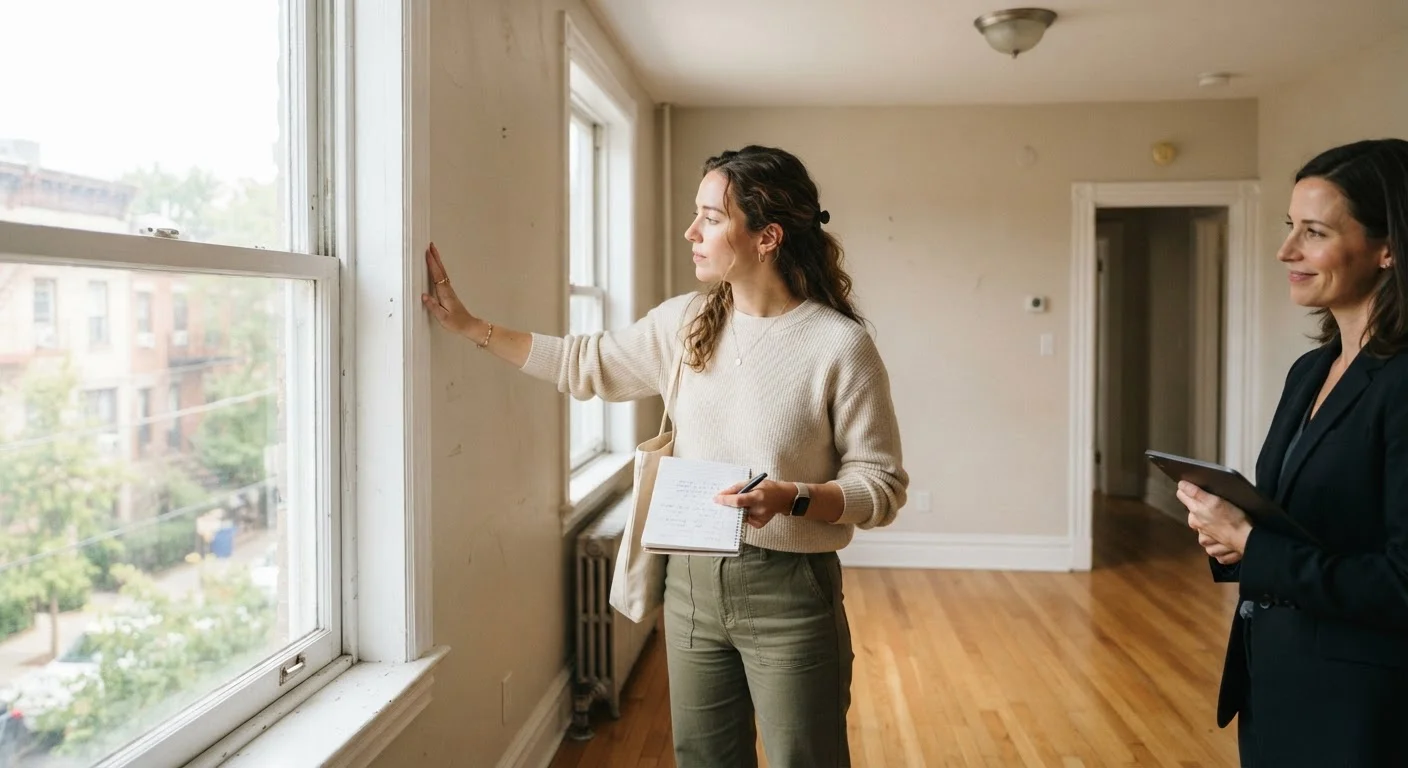
A renter examining walls and windows inside an apartment during a rental showing

Key Takeaways

A rental showing is your best — and sometimes only — chance to spot hidden damage before signing a lease.
Inspect every room methodically: walls, ceilings, fixtures, windows, and storage all deserve attention.
Red flags like water stains, mold odors, inoperable locks, and poor ventilation can signal costly problems.
Ask the landlord specific questions on the spot; vague answers are themselves a signal.
Document everything you observe with photos before signing any move-in paperwork.
20–40 min

Summary

24 items · 20–40 minutes per showing

Why the Showing Is Your Most Valuable Tool

Listing photos are curated. Virtual tours are edited. The in-person showing is the one moment where reality has nowhere to hide. Yet most renters treat it as a vibe check — glancing around to see if they like the layout — rather than the structured inspection it should be.

A problem you spot during a showing costs you nothing. The same problem discovered after move-in can cost you sleep, money, and months of frustration navigating repair requests. Use this checklist room by room so you walk out with real information, not just an impression.

If you're still getting oriented to the rental process overall, our guide on everything you need before signing a lease is a good starting point. And before you even schedule showings, read up on common apartment-hunting pitfalls that catch renters off guard.

Entrance & Common Areas

Test the front door lock and deadbolt — both should engage smoothly and feel solid, not loose. Must
Check that exterior lights in hallways or stairwells are functioning and the area feels well-maintained. Should
Note any visible pest evidence such as droppings, entry gaps, or sticky traps left by management. Must

Kitchen

Run the faucet at full pressure and check under the sink cabinet for moisture, staining, or soft wood — signs of a slow leak. Must
Turn on every burner and the oven to confirm all appliances included in the lease actually work. Must
Open cabinet doors and look along the back walls and floor for mold, grease buildup, or gaps where pests could enter. Should
Inspect the exhaust fan above the stove — turn it on and confirm it vents to the outside, not just recirculates. Should

Bathroom(s)

Flush the toilet and run the shower simultaneously to test water pressure and check for drainage slowness. Must
Press gently on wall tiles around the tub or shower surround — soft or hollow tiles indicate water has penetrated behind them. Must
Look at the ceiling and around the exhaust fan for discoloration, bubbling paint, or visible mold — signs of chronic moisture. Must
Confirm the bathroom exhaust fan actually draws air; hold a tissue near it to check suction. Should

Bedrooms & Living Areas

Examine every ceiling and wall corner for water stains, bubbling paint, or yellowish rings that indicate past or active leaks. Must
Open and close every window — they should open fully, lock securely, and have intact screens. Must
Test every electrical outlet using your phone charger; non-functional outlets may signal wiring issues. Should
Check closet floors and baseboards for soft spots, warping, or musty odors that suggest moisture intrusion. Should
Walk the entire floor deliberately, noting any squeaks, dips, or soft areas that could indicate subfloor damage. Nice to have

Heating, Cooling & Ventilation

Locate the thermostat and ask the landlord to demonstrate that heating and cooling systems function in the current season. Must
Check HVAC vents for visible dust buildup or debris, and ask when filters were last replaced. Should
Ask whether utilities are separately metered or shared with other units — shared meters can produce unpredictable bills. Must

Questions to Ask the Landlord

Ask how maintenance requests are submitted and what the typical response time is for non-emergency repairs. Must
Ask when the unit was last inspected for pests and whether the building has had any infestations in the past two years. Should
Confirm who is responsible for lawn care, snow removal, trash, and recycling to avoid surprises after move-in. Should
Ask about parking, package delivery policies, and guest policies — especially if these aren't detailed in the listing. Nice to have

What to Do After the Showing

When you leave the unit, take five minutes to write down anything that concerned you while it's fresh. If you're seriously interested, follow up in writing — email the landlord asking about any deficiencies you noticed and request confirmation that they'll be addressed before move-in. A landlord's responsiveness at this stage tells you a great deal about how they'll handle maintenance requests later.

Don't Rely on the Landlord's Assurances Alone

Verbal promises made during a showing are rarely enforceable. If a landlord says a broken fixture will be fixed before move-in, get it in writing as an addendum to the lease — or confirm it's resolved before you hand over a security deposit. Signed documentation protects both parties and leaves no room for dispute later.

If the unit passes your inspection and you decide to apply, understand that landlords are evaluating you at the same time. Knowing how landlords evaluate rental applications helps you put your best foot forward. And once you receive a lease, don't assume you understand it — there are common lease terms renters frequently misread that can have real consequences. Finally, the conditions you document now at move-in directly affect your deposit when you leave — protecting your security deposit starts on day one.

Real Estate Editorial Team is the collective byline for our editorial team and contributor network. Articles published under this byline or an editorial pen name are researched, written, and reviewed according to our editorial standards for clarity, consistency, and independence before publication.

View all articles by Real Estate Editorial Team →
Disclaimer: The content on this site is for informational purposes only and is not a substitute for professional advice. Always consult a qualified professional for guidance specific to your situation.