

What a Standard Home Inspection Actually Covers
A home inspection is a visual assessment of a property's accessible, observable systems and components, conducted by a licensed inspector before you finalize a purchase. It is one of the most important contingencies a buyer can include in an offer - and one of the most misunderstood.
A qualified inspector will typically examine the following:
- Roof: Visible shingles, flashing, gutters, and downspouts for wear, damage, or improper installation.
- Structural components: Foundation, framing, floors, walls, and ceilings for signs of settling, cracking, or water intrusion.
- Exterior: Siding, trim, grading, driveways, decks, and porches.
- Plumbing: Visible supply and drain lines, water heater, fixtures, and water pressure.
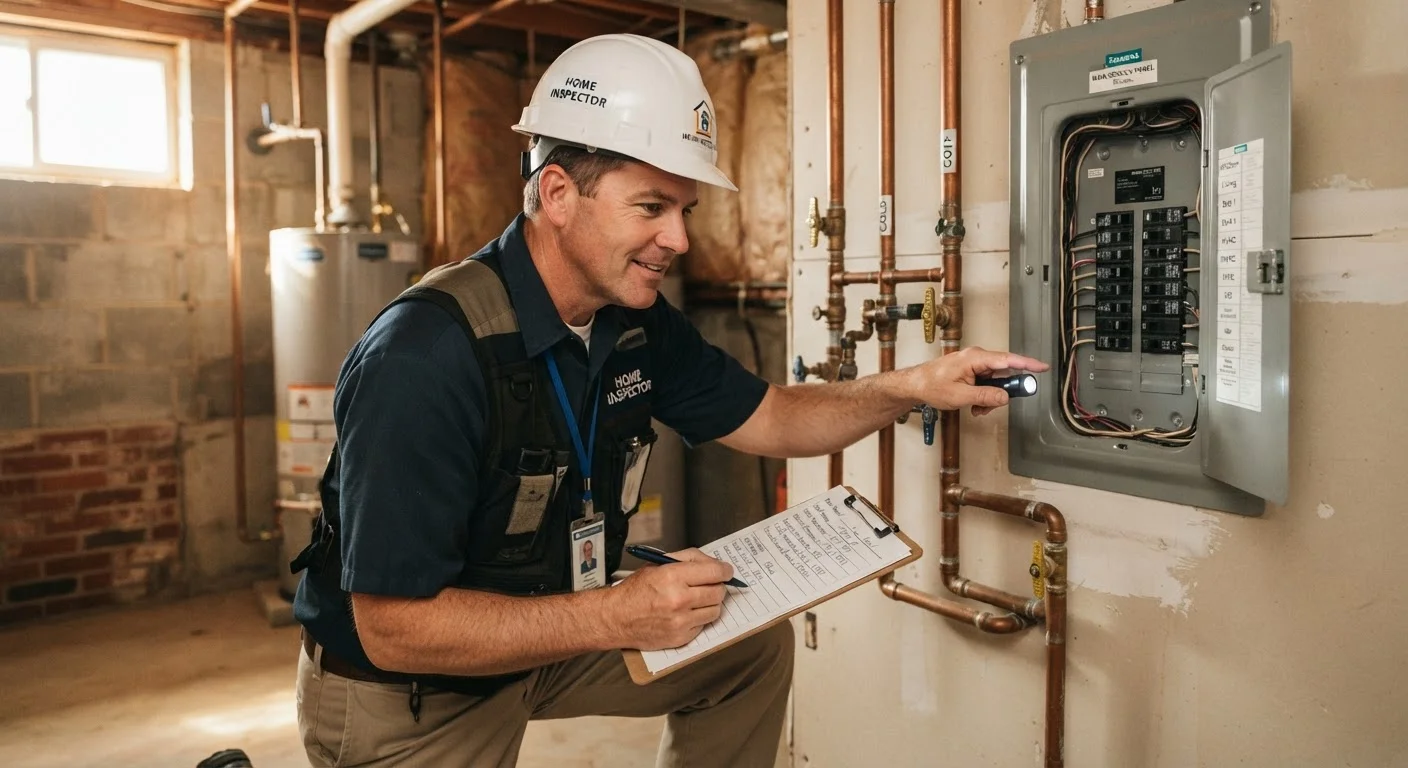
- Electrical: Service panel, visible wiring, outlets, switches, and GFCI protection in wet areas.
- HVAC: Heating and cooling equipment, ductwork, and filters.
- Insulation and ventilation: Attic insulation levels and ventilation adequacy.
- Windows and doors: Operation, sealing, and visible glazing damage.
- Interior: Visible stairways, railings, fireplaces, and garage door safety mechanisms.
The inspector documents findings with photos and produces a written report, typically within 24 hours. Buyers - and their agents - use this report to request repairs, negotiate credits, or, if the findings are severe enough, walk away from the deal. See our guide to what can go wrong between offer and closing for a broader look at how inspection findings can affect a transaction.
What a Home Inspection Does Not Cover
This is the part buyers most often overlook. A standard inspection is visual and non-invasive - inspectors will not open walls, move furniture, lift carpeting, or test systems that are turned off. That scope limitation means several significant hazards and defects commonly fall outside their purview.
Items typically excluded from a standard inspection:
- Radon: This odorless, radioactive gas is the second leading cause of lung cancer in the U.S. according to the EPA. A separate radon test, using either a short-term or long-term canister, is required.
- Mold: Inspectors may note visible signs of moisture or suspected mold, but laboratory identification and remediation assessment require a certified mold specialist.
- Asbestos: Common in homes built before 1980 in insulation, floor tiles, and roofing materials. Testing requires a licensed asbestos professional.
- Lead paint: Relevant in homes built before 1978. A lead paint inspection or risk assessment is a separate service.
- Sewer lines: A camera scope of the main sewer line is not standard. Partial blockages, root intrusion, or collapsed pipes can cost thousands to repair.
- Septic systems: Require a dedicated inspection and pumping by a licensed septic professional.
- Pest and wood-destroying organisms: Termites, carpenter ants, and wood-boring beetles are assessed in a separate pest inspection, often required by lenders in certain regions.
- Underground oil tanks: Common in older Northeast properties; require specialized detection and environmental assessment.
- Chimneys and fireplaces (interior flues): A Level II chimney inspection by a certified chimney sweep goes beyond what a general inspector can assess.
- Pool and spa equipment: Mechanical components, electrical bonding, and structural integrity of pools require a specialist.
Just as reading fine print matters in other contexts - like understanding what product warranties actually cover - understanding a home inspection report requires knowing what was not tested as much as what was.
When to Hire Specialists - and How to Decide
Every buyer should weigh the age, location, and condition of a home when deciding which specialist inspections to commission beyond the standard assessment.
Home inspection contingency
A clause in a purchase offer that allows the buyer to renegotiate or withdraw from the contract based on the results of a professional home inspection. Without it, buyers have little recourse if defects are discovered after signing.
Radon
A naturally occurring radioactive gas that can accumulate in homes, particularly in lower levels. Long-term exposure is a known health risk; the EPA recommends testing all homes and mitigating if levels exceed 4 pCi/L.
GFCI outlet
Ground Fault Circuit Interrupter outlet - a safety device that shuts off power instantly if it detects an electrical imbalance. Required by code near water sources in modern construction and inspected in all standard assessments.
Sewer scope
A specialist inspection using a camera threaded through the main sewer line to identify blockages, cracks, root intrusion, or pipe collapse. Not included in a standard home inspection.
Asbestos
A fibrous mineral once widely used in building materials for insulation and fireproofing. When disturbed, it releases fibers that pose serious respiratory health risks. Homes built before 1980 may contain asbestos-containing materials.
Wood-destroying organism (WDO) inspection
A separate inspection - sometimes called a termite inspection - that identifies evidence of damage or active infestation by termites, carpenter ants, or wood-boring beetles. Often required by mortgage lenders in certain states.
General guidelines by home profile:
- Older homes (pre-1978)
- Lead paint and asbestos testing are strongly worth considering, particularly if you plan renovations that could disturb existing materials.
- Homes with a basement or lower levels
- Radon testing is advisable in virtually all U.S. regions; the EPA recommends action if results exceed 4 pCi/L.
- Homes on private septic or well
- A dedicated septic inspection and a water quality test are essential - contamination and failing systems are not visible to a general inspector.
- Homes with mature trees near the foundation
- A sewer scope is a cost-effective precaution, typically running $150-$400 depending on market and line length.
- Homes with a fireplace or wood stove
- Budget for a chimney inspection. A cracked flue liner is both a fire hazard and an expensive repair.
The cost of specialist inspections - often totaling a few hundred to a few thousand dollars - is almost always smaller than the cost of discovering a serious defect after closing. Think of them as due-diligence insurance, not optional extras. Consult with your buyer's agent and, for significant findings, a qualified real estate attorney before making decisions based on inspection results.
This article is for general informational purposes only and does not constitute legal, financial, or professional inspection advice. Inspection standards, licensing requirements, and disclosure laws vary by state and locality. Consult qualified, licensed professionals for guidance specific to your transaction.